Highland Park rejects bid for offices over restaurant/retail in former movie theater
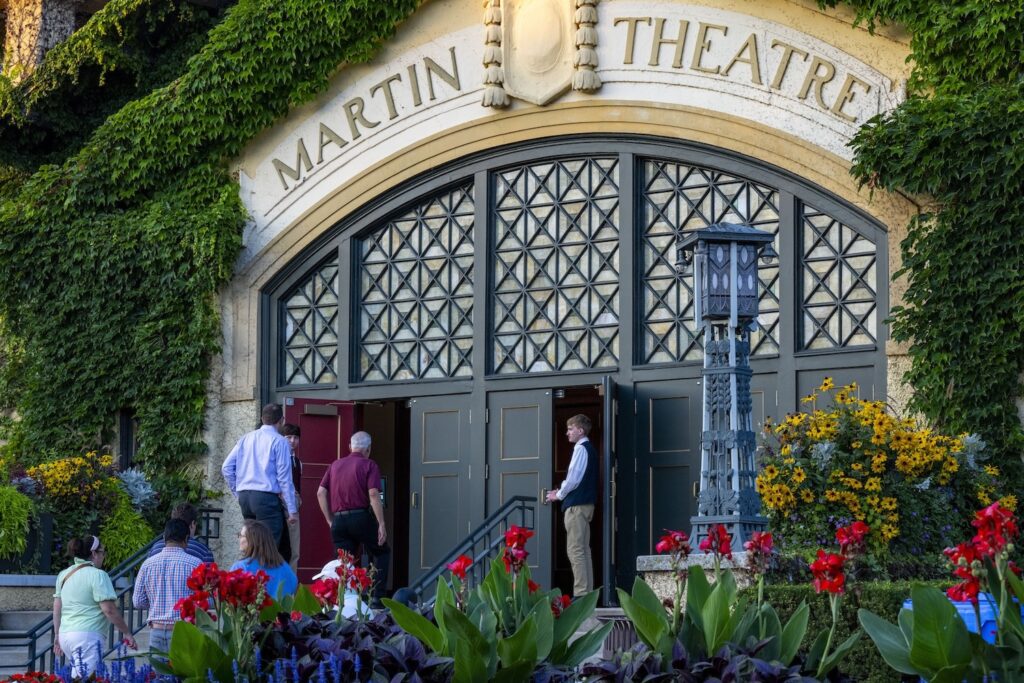
Highland Park City Council voted unanimously last week to deny an application to open offices in the former Highland Park movie theater, opting instead to keep an ordinance intact that seeks to put a restaurant or retail businesses in the long-vacant downtown space.
The City Council approved an ordinance in 2018 granting a special-use permit to property owner Alabama Associates to develop the two-story, approximately 21,600 square-foot commercial building — once owned by the City — with a restaurant and or retail spaces on the ground floor.
The council enacted the ordinance after hearing from nearby-business owners concerned that downtown Highland Park would lose some of its “vibrancy” if the former movie theater became office space, Councilmember Tony Blumberg said during the Aug. 11 City Council meeting.
But Alabama Associates recently filed an application to amend the seven-year-old ordinance and lease two of the three ground floor units for a “high end dermatologist practice with incidental retail sales” and an office of a “private equity fund run by a long-time resident” and friend of Scott Canel, the building’s developer, public records show.
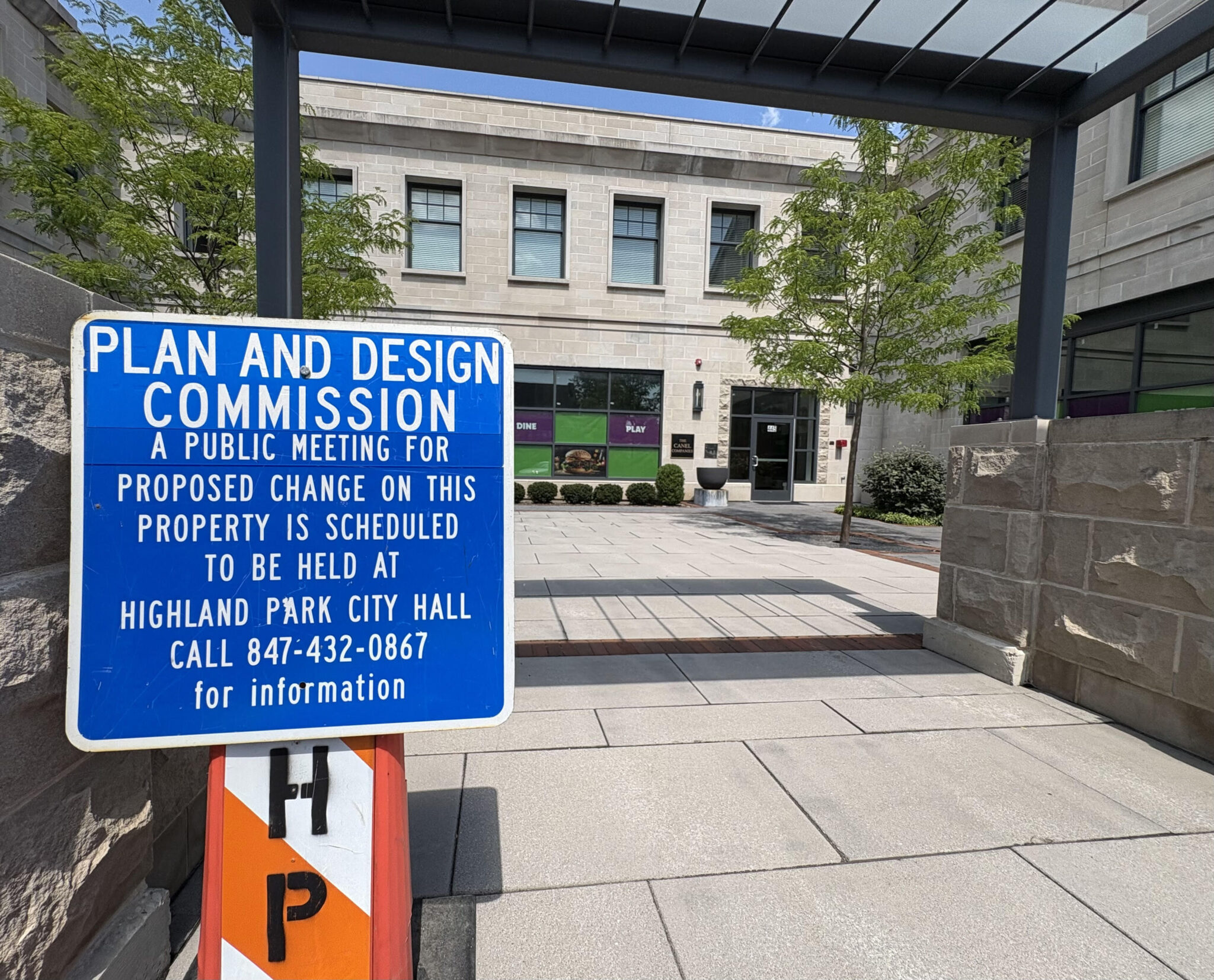
Addressing the Highland Park Plan and Design Commission on June 17, Canel said he wanted to put a dermatologist’s office, another office and a restaurant that helps developmentally disabled individuals through the nonprofit Lindsey’s Place in the ground floor of the building.
“The second floor of the building is my family offices, so it is kind of my home, and it’s been frustrating not to be able to lease the ground floors,” Canel told the commission. “We’ve had three different brokerage firms work for us over the years trying to find retail or restaurants.”
The city Plan and Design Commission voted 6-0 to allow Canel relief from the 2018 ordinance.
But members of City Council expressed dismay that the ground floor of the building has remained empty for so many years. Highland Park Mayor Nancy Rotering said it was “very frustrating” that Alabama Associates had not returned phone calls from city staff.
“Ten years later, not only is it empty, but it comes to us asking for an exception out of that promise to put two things that have nothing to do with the promise that was made,” Councilmember Andrés Tapia said of the property. “I don’t know; that’s chutzpah.”
Bill McGuinn, an attorney listed on the application for the ordinance-amendment, noted the presence of other vacant store fronts near the building when he addressed the council last week.
The lease for the dermatologist office was set for 10 years while the lease in place for the other tenant may not actually come through, McGuinn said.
“I’d like to say it’s very easy to point out how we haven’t returned calls, we haven’t taken tenants, we failed in the execution. But that’s easier said than done,” McGuinn told the council. “Have the other vacant storefronts on our street failed as well in bringing new tenants?”
Rotering responded that Highland Park city staff have “actively recruited” eligible restaurants who could have leased the ground floor units of the building as the special-use permit intended, but those businesses are now elsewhere in the North Shore.
“I’m frustrated also to hear that you may not even have the second tenant that was reported to be basically a-go,” Rotering said. “So now you’re asking for all of these changes, all of these amendments, and I appreciate what you’re trying to bring to the community, but it’s unbelievable to me.”
Visibly upset, Dr. Rachel Lefferdink, the dermatologist who sought to open an office in the former movie theater, told the council she was unaware of the city’s ordinance regulating the ground floor of the building when she signed a lease with Canel.
Lefferdink said she searched all over the North Shore before landing on 445 Central Ave. as her plan to offer retail skin-care products in the office is not easily replicable elsewhere. She said she already spent a year designing and committed a significant financial investment to the business.
“I understand the history here, I understand the promises that were broken, I just really urge you to consider what you’re giving up in exchange for an empty space to continue to sit there,” Lefferdink told the council. “I want to be part of this community.”
Tapia said it was “heartbreaking” to hear Lefferdink’s story and a dermatologist office in the building is not out of the question if a restaurant and retail space joins too. Tapia otherwise urged her to speak to Canel about not being informed about his preexisting promise to the city.
Lefferdink later told The Record she was shocked by the City Council’s decision given the Highland Park Plan and Design Commission’s unanimous support of amending the ordinance.
As she navigates her options, Lefferdink said she still hadn’t completely abandoned her plan to open a business in the former Highland Park movie theater.
The Record is a nonprofit, nonpartisan community newsroom that relies on reader support to fuel its independent local journalism.
Become a member of The Record to fund responsible news coverage for your community.
Already a member? You can make a tax-deductible donation at any time.
Samuel Lisec
Samuel Lisec is a Chicago native and Knox College alumnus with years of experience reporting on community and criminal justice issues in Illinois. Passionate about in-depth local journalism that serves its readers, he has been recognized for his investigative work by the state press association.
The Record is a nonprofit, community news site from former editors of 22nd Century Media
Our daily coverage of your government, schools, businesses and neighbors is not possible without your support.
Latest

The Record: Shortcut
Related Stories