
Background and breakdown of Highland Park’s term-limits referendum
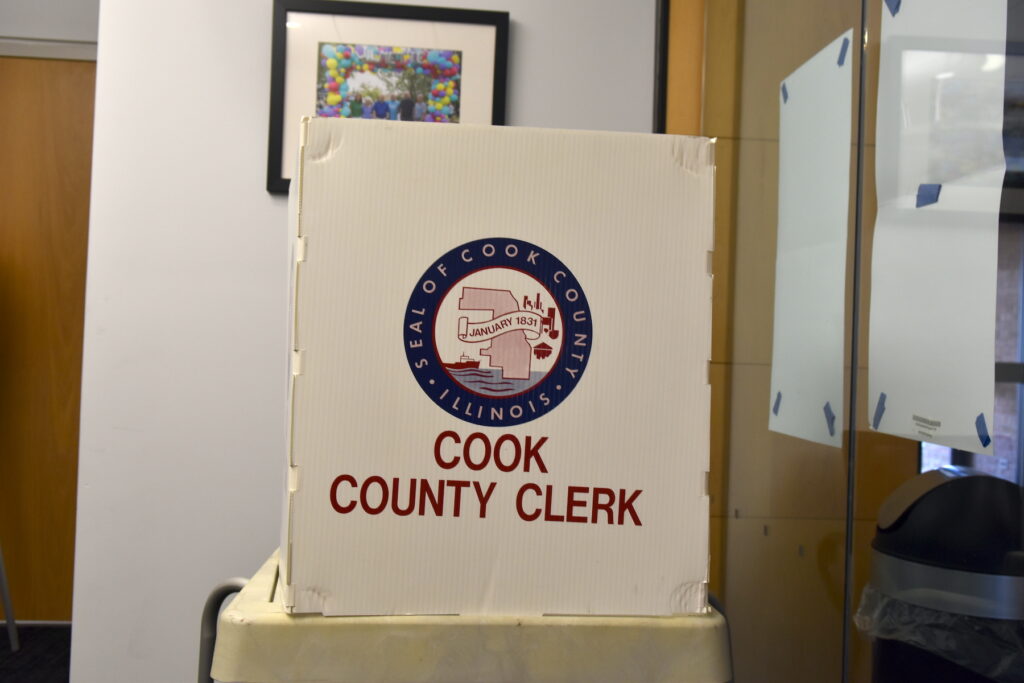
A binding referendum on Nov. 3 gives Highland Park voters the chance to decide whether the city will establish term limits for the future offices of the mayor and city councilmembers..
The proposal, pushed to referendum by the City Council on May 11, is to limit City Hall elected officials to two, cumulative four-year terms for each office and/or a maximum of 10 years – two full terms plus two years – of service for each office in the event an elected official takes office via a two-year term, The Record previously reported.
Term limits, if approved by voters via referendum, will begin with the April 2027 consolidated election. An approval would not impact the terms of current elected City officials.
Nearby communities Skokie and Wilmette have established term limits, while other neighbors like Highwood, Deerfield and Libertyville do not.
Support and Opposition
Mayor Nancy Rotering, in her fourth four-year term as mayor, publicly expressed her opposition to term limits at the June 29 City Council meeting. She cited the importance of “voter choice” and allowing voters the option to retain an incumbent and added that “elections themselves are term limits,” as incumbents can get voted out.
Rotering also said that the seniority of incumbents provides value, and challenges come with the role for first-time councilmembers.
In agreement with Rotering, Councilmember Anthony Blumberg, who was first elected in 2011 and currently serving his fourth term on the council, believes that term limits by legislation are “undemocratic,” he said.
Joining Rotering and Blumberg, was Councilmember Barisa Bruckman citing her concerns about the “institutional knowledge” the council may lose if term limits are established.
On the other hand, Annette Lidawer, a councilmember and candidate for mayor, supports term limits. To her, “voter choice,” means giving voters the ability to “decide on whether or not to have term limits.”
Lidawer also said that potential new candidates face “perceived inevitability when running against an incumbent.”
Councilmember Yumi Ross has agreed with Lidawer, adding that some elected officials have an “insurmountable advantage.”
Term limits to Lidawer deny one candidate from remaining indefinitely, and they expand the number of people willing to participate and the opportunity for “new leadership.”
“Predictable leadership turnover encourages broader participation and engagement,” she said.
Councilmember Jon Center, who was elected in 2025 on a two-year term, like Lidawer, supports term limits as “all good organizations have leadership changes,” he said.
Echoing Lidawer, Ross and Center’s statements, Councilmember Andrés Tapia also supports term limits, because he believes it would allow more “diversity” in the council.
Community Organizations
Highland Park Forward is a nonpartisan political action committee formed in early 2025 in response to the City Council’s liquor-license debate, which led to the resignation of Councilmember Jeff Hoobler and an eventual law change to permit liquor-license holders to also hold public office.
During the debate, HP Forward regularly criticized Rotering and Blumberg, both of whom voted against amending the law while Hoobler was in office. The group also backed Center in his race against former Councilmember Kim Stone.
Highland Park Forward supports term limits with a three-pronged platform: open seats create opportunity, eight years is real experience and professional management provides continuity.
Its website states term limits “(are) not anti-experience (but) pro-participation,” adding that healthy institutions should not depend on any one person indefinitely.
“The proposed limit of two four-year terms allows substantial time to learn the job, develop priorities, accomplish meaningful work and recruit fresh talent,” an HP Forward letter says.
The League of Women Voters of Highland Park-Highwood, a nonpartisan political organization formed in 1928 in Highland Park, opposes term limits.
The group says it holds the same beliefs for Highland Park as it does for the U.S. Congress, arguing that disqualifying experienced lawmakers makes the government “less effective, less accountable and less representative.”
The local League of Women Voters cited data showing that term limits for a municipality like Highland Park are rare, noting that approximately 5% to 9% of U.S. municipalities with populations under 40,000 use term limits for their mayors and city councils, and often those limits are for successive terms (maximum two or three before a break) rather than a lifetime ban.
“Our local League of Women voters believes that increasing participation in these Spring elections would lead to outcomes that accurately reflect community priorities and help create natural limits on who is elected to local office,” says a letter from the League.
The Ballot Question
“Shall the City of Highland Park, beginning with the terms of office that commence at the April 2027 consolidated election and for each election thereafter, limit the terms of the office of Mayor and of the office of Councilmember so that no person shall be eligible to hold that respective office if that person has been previously elected to no more than two full four-year terms for that office, whether or not those terms were served consecutively, or if holding that office would cause that person to serve in that office for more than a combined total of ten years? In accordance with Illinois law, terms of office that commenced before the April 2027 consolidated election will not be considered in determining whether a person has reached these limits.”
The Record is a nonprofit, nonpartisan community newsroom that relies on reader support to fuel its independent local journalism.
Become a member of The Record to fund responsible news coverage for your community.
Already a member? You can make a tax-deductible donation at any time.

Alessia Girardin
Alessia Girardin is a community reporter focused on stories out of Highland Park and Highwood. A Chicago native and Regina Dominican alumna, she has published work for local and New York City publications and earned a master's degree from New York University.
The Record is a nonprofit, community news site from former editors of 22nd Century Media
Our daily coverage of your government, schools, businesses and neighbors is not possible without your support.
Latest

The Record: Shortcut
Related Stories