From ‘Unfair’ to ‘It’s a Start’: Residents respond to Skokie limiting short-term rentals
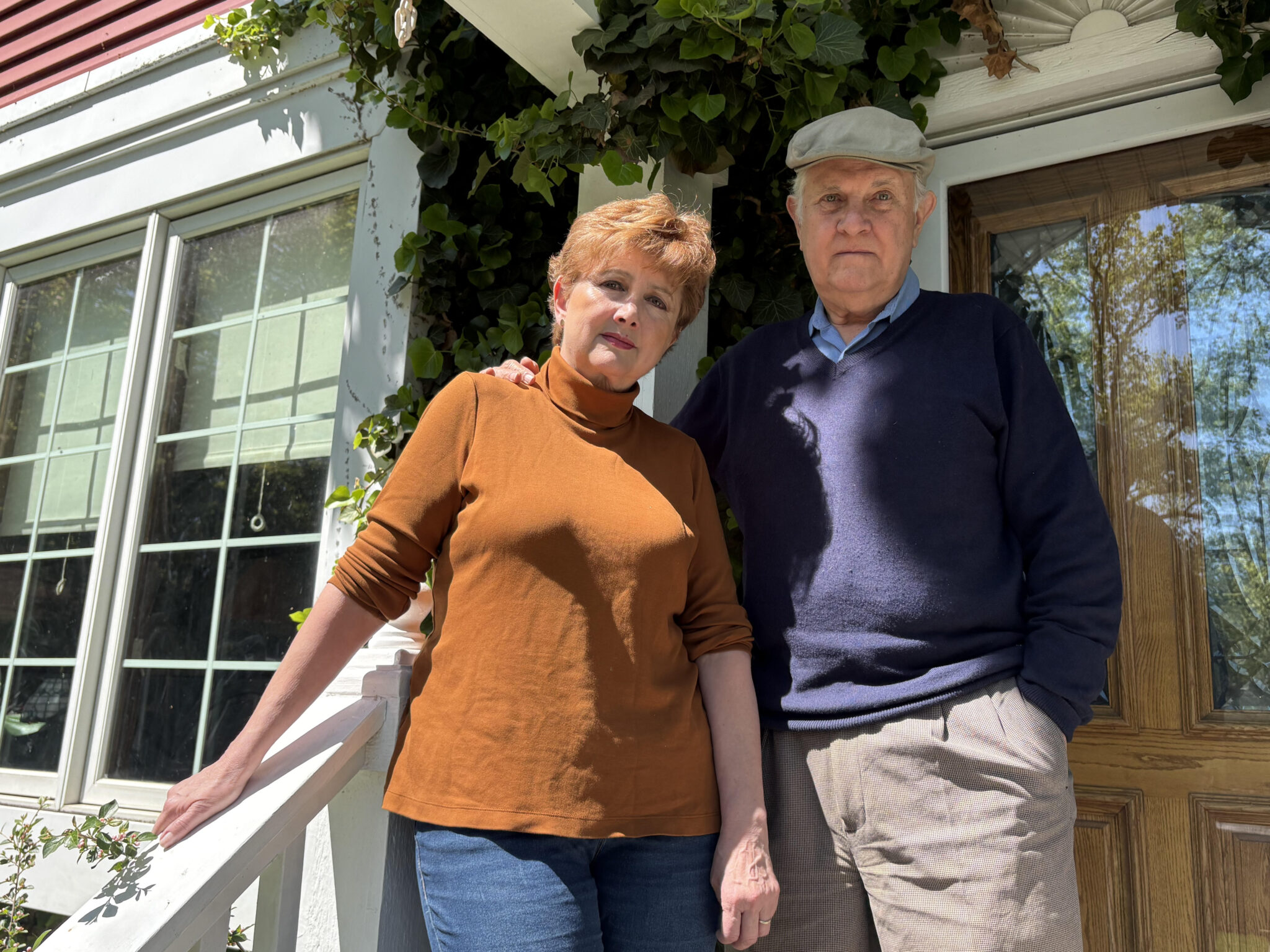
Joaquin and Patricia Mejia began renting out rooms in their house after they became empty nesters in 2013.
The “Skevanston” couple, who live in a portion of an Evanston zip code governed by Skokie, figured the extra income they gained from Airbnb could help during retirement.
More than a decade and 600 bookings later, the Mejias said they have hosted guests from every state, every continent and nearly every walk of life — while forming lifelong connections along the way.
When Northwestern University students they hosted didn’t have family in town, the Mejias said they attended their graduations to show support. Following years of stays with the Mejias, one student’s family apparently even invited the couple to the student’s wedding.
But after the Skokie Village Board approved a pilot program this year that put new restrictions on short-term-rentals and required operators to pay at least $3,650 in fees, Joaquin Mejia said it became “utterly impossible to make a profit.”
The couple has decided to cease renting out their home.
“We think it’s totally unfair. Who has the right to prohibit or cancel a perfectly harmless, safe operation?” he asked. “And if there are bad actors, it’s not my fault.”
The ordinance, which went into effect May 1, aims to “maintain the safety of guests,” “preserve the residential character of neighborhoods,” and prevent the negative impact STRs may have on the “availability and affordability” of Skokie’s housing stock, village documents show.
Johanna Nyden, Skokie’s community development director, previously estimated the village had at least 75 STR units before the law went into effect; though, Patrick Deignan, Skokie’s communications director, noted that “STRs were not distinguished from other rental properties,” so the Villager has no official data on the number of STRs that were in operation.
Since the law went into effect, just one STR has registered and become licensed and seven are in the process, Deignan said.
In deciding to no longer rent on Airbnb, the Mejias critiqued the increased financial burden the ordinance places on operators (who were previously only required to pay Skokie $25) and that the ordinance largely treats local, owner-operated STRs no different than investor-owned STRs.
Skokie residents who have lived near STRs, though, expressed support for the village’s new policies, given their concerns about safety, parking, and how they alter the feel of their neighborhoods. Those residents said they were primarily concerned about investor-owned STRs.
“I, with our neighbors, felt somewhat better that there are some regulations there,” said Leon Roth, a Skokie resident who has lived near a STR, after the ordinance went into effect.
“I personally do not feel like they are strong enough. But hopefully it’s a start that we have some regulations and that maybe, going forward, we can tighten things up.”
‘You can’t use the same brush’
For the Mejias, what started as a convenient new source of revenue eventually became a much more meaningful enterprise.
Parents of Northwestern University students stayed with the Mejias multiple times a year for many years in a row, which allowed them to form bonds, they said. The couple also often hosted the friends and relatives of their neighbors and local community members, they said.
“We’re always here, so we never leave the house to the guests,” Joaquin Mejia said. “We love to socialize with them, we learn where they come from, what it is they do, what brought them to Skokie, maybe a little bit about their personal lives and experiences, so very often we end up making friends.”
The listing for the Mejias’ home on Airbnb states it is in the top 5% of eligible listings for its high ratings and reliability. A number of its more than 600 reviews thank Patricia and Joaquin by name for their “beautiful” home, “accommodating” help and “delicious homemade breakfasts.”
“We’ve never had a complaint of police coming here — or noise,” Joaquin Mejia said. “Our guests, if you take a look at the house, have all been very respectful. We’ve never had one teaspoon missing.”
The new regulations the trustees approved in February require STR owners to obtain a $1,200 operator license and pay at least $2,450 in registration fees. It also says STRs can only accommodate 18 bookings a year and guests must stay a minimum of five days.
If trustees were to amend the regulations when their pilot phase is up in 18 months, Joaquin Mejia said he hopes the regulations would distinguish local owner-operated STRs from investor-operated STRs by allowing the locals to offer shorter than five-day stays.
He said it was more common for guests to seek one-night or weekend-long stays, and the jump from paying $25 a year in registration fees to the $5,000 the couple reportedly would have had to pay to continue operating was too high too fast.
Nyden told the Village Board in January that the village has primarily received complaints about investor-owned STRs or STRs operating out of properties that no longer have a known owner. The fees associated with the pilot are necessary to fund the “labor intensive” building inspections, software and legal compliance work the law requires, she said.
Brad Miller told The Record he started using Airbnb in 2019 to rent out a one-bedroom apartment in a building that is separate from where his family lives because it “sat empty too often, and it felt like a waste not to share it with people coming to the area.”
Miller also saw renting the place out as a way to help cover the costs of the property, and he enjoyed meeting guests from different places and hearing why they’re in town, he said.
After Skokie passed its regulations, he decided to register his STR with the village. While it has required more paperwork, fees and time, Miller said he plans on continuing to operate. But he hopes if the village makes more tweaks to its pilot they communicate them directly to hosts.
“Big picture, we’d describe the regulations as a bit of a mixed bag: On one hand they create extra hoops for small hosts and make the numbers tighter, but on the other hand we get why the village wants consistency, safety standards, and some reassurance for neighbors that things are being monitored,” Miller said.
“It definitely makes the operation feel more like a regulated small business than a casual side thing now.”
‘Those relationships can’t possibly happen’
Robert Kusel has lived in Skokie for 30 years and recalled how his family became close with an elderly couple in their neighborhood. Kusel’s children shoveled the couple’s walkways, Kusel helped take care of them during the pandemic and they shared Thanksgiving meals, he said.
Yet after the elderly couple left the nearby home, it apparently became a STR. Kusel said he has since been concerned about the “cavalcade of strangers” who come to the neighborhood and who park their cars in the wrong direction and in handicapped spots.
While Kusel said he doesn’t mind the “occasional short-term rental, particularly for a mom and pop trying to make ends meet,” he feels that the village should prioritize the interests of people who bought a home in Skokie without expecting a “corporate intrusion” in their neighborhood.
He emphasized that the kind of bonds his family formed with their elderly neighbors are not possible with those residing in local STRs.
“Our kids shoveled snow for a couple of other elderly neighbors and were rewarded with homebaked cookies. And those are now their treasured recipes for their families. They watched those folks age and learn those quiet lessons from it,” Kusel said.
“Those relationships can’t possibly happen with a STR as a neighbor.”
Roth lives in Skokie and helps take care of his mother who has lived in the village since 1973, he said. But starting a year ago, he said, people looking to enter an Airbnb on his block began coming to his mother’s door by mistake and trying to enter her home.
Video footage from a doorbell camera outside Roth’s mother’s home captured at least three different occasions last year where people attempted to open his mother’s door around 2 a.m., shining flash lights from their cell phones in and around her mailbox looking for a key.
On one occasion, Roth said he was at his mother’s place when he heard the door knob clicking as someone tried to enter around midnight.
Live video from the doorbell camera’s app indicated it was a person who he said was trying to find an Airbnb. Roth said the experience was “scary,” and he worried what would’ve happened if his mother was there alone and the door had accidentally been left unlocked.
Skokie’s new law requires that STR operators pass a building inspection and display proper signage in part to prevent the kind of experience neighbors like Roth has had.
Yet Roth said he’d still prefer if the village prohibited all STRs entirely.
The Record is a nonprofit, nonpartisan community newsroom that relies on reader support to fuel its independent local journalism.
Become a member of The Record to fund responsible news coverage for your community.
Already a member? You can make a tax-deductible donation at any time.

Samuel Lisec
Samuel Lisec is a Chicago native and Knox College alumnus with years of experience reporting on community and criminal justice issues in Illinois. Passionate about in-depth local journalism that serves its readers, he has been recognized for his investigative work by the state press association.
The Record is a nonprofit, community news site from former editors of 22nd Century Media
Our daily coverage of your government, schools, businesses and neighbors is not possible without your support.
Latest

The Record: Shortcut
Related Stories