An expanded exhibit honoring locals, more will debut at grand reopening of Illinois Holocaust Museum
After more than a year of being closed to the public for renovations, the Illinois Holocaust Museum & Education Center is reopening in Skokie this week with new facilities and additions to their exhibition featuring local survivors of the Holocaust.
The museum, 9603 Woods Drive, will open at 10 a.m. on Wednesday, Nov. 11. All U.S. military veterans and active and retired service members will have free admission in honor of Veteran’s Day. Up to four family members of each veteran will also have free admission.
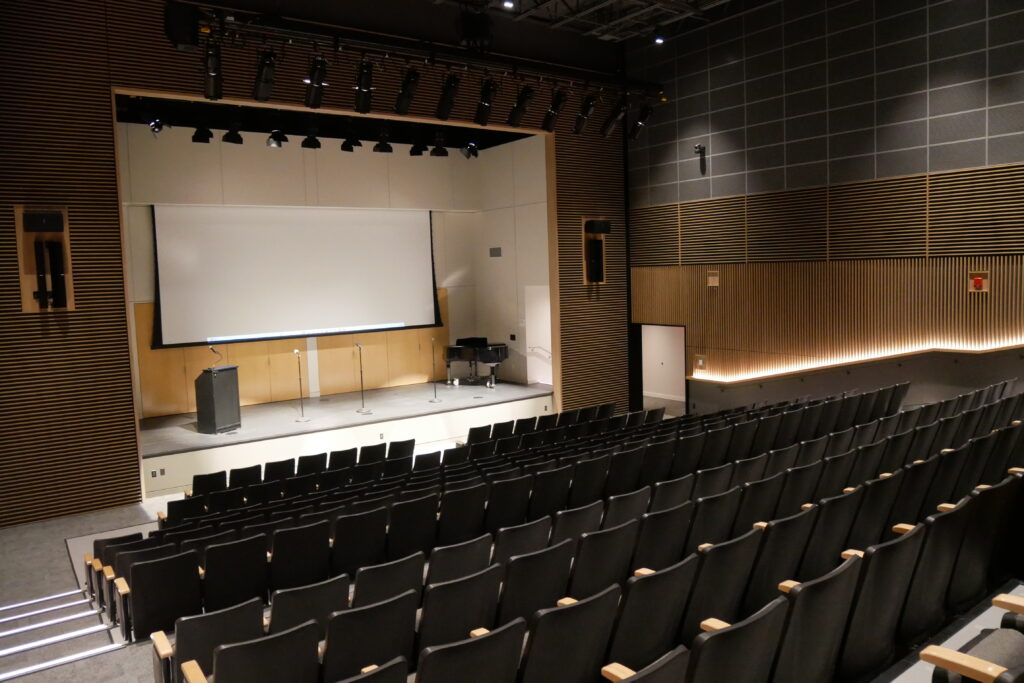
Among other upgrades, visitors will find an enlarged lobby with new seating and bathrooms, a relocated auditorium with expanded capacity and technology, and the “Reflection Gallery” offering guests a place to rest while exploring content added to the museum’s main exhibit.
The $10 million overhaul, financed through public and private funds, is the most significant capital project the center has undertaken since first opening its Skokie facility in 2009, said Amanda Berman, the museum’s head of communications.
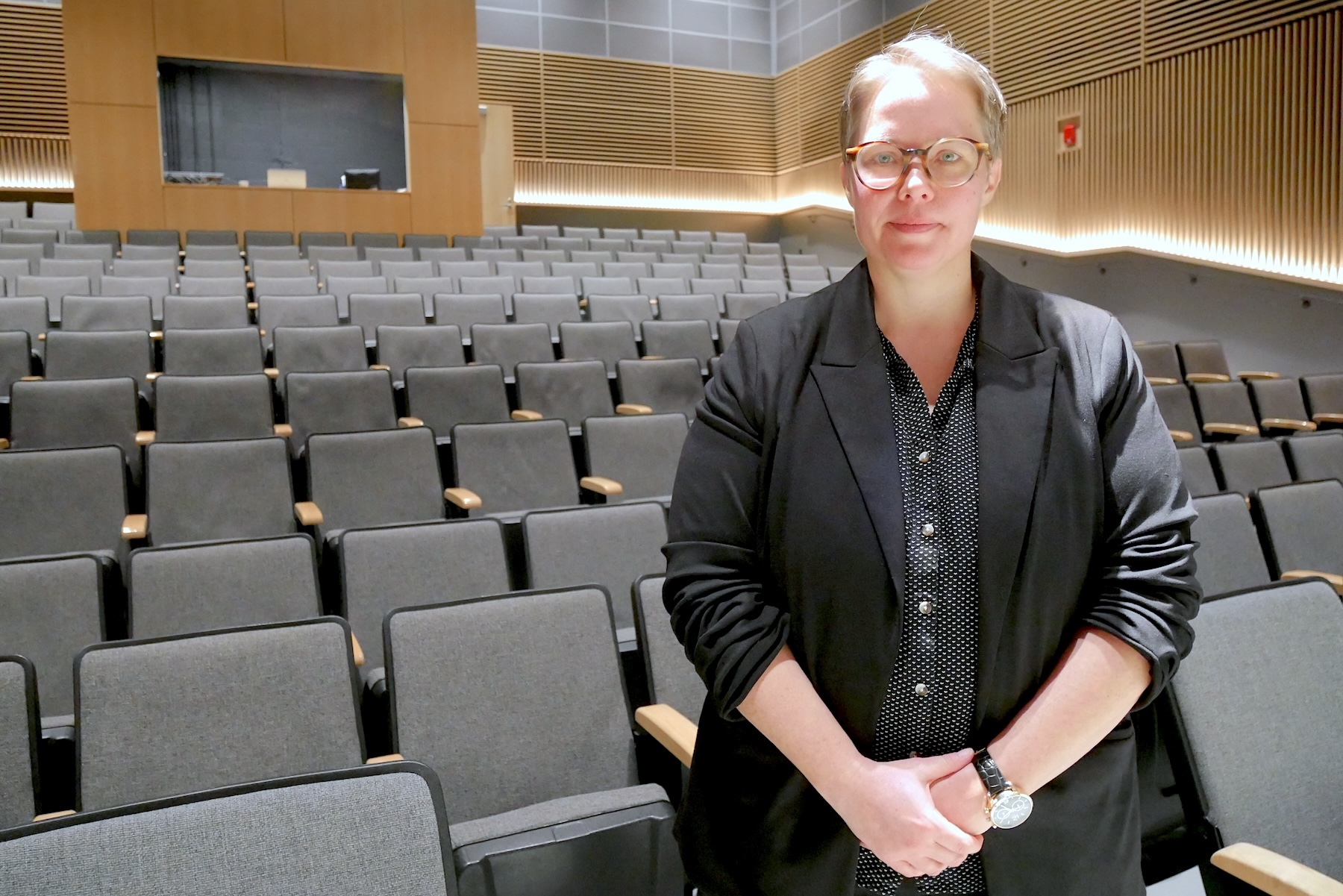
Leah Rauch, the center’s director of education, said the renovations arrive amid a rise in antisemitism and hate against minority groups and will help serve the center’s mission of remembering the past in order to empower individuals to “transform the future.”
“Our museum is, I think, more relevant than ever, and the lessons from this history continue to be relevant as time goes on but especially in where we find ourselves today,” Rauch said.
“So [we’re] making sure that we’re able to accommodate as many people, make them comfortable, give them a safe space to explore this difficult history in order to provide them with the tools of going out and being positive change makers in their communities today.”
The Illinois Holocaust Museum originally began as a small storefront in downtown Skokie after a neo-Nazi group proposed marching in the village in the 1970s, as Amanda Friedeman, an associate director of education at the center, previously recounted to The Record.
Organizers and local Holocaust survivors like the late Sam Harris then fundraised and garnered community support to build the 65,000-square-foot education center at Woods Drive in 2009.
After the Skokie facility closed in June 2025 to allow for the renovations, Rauch said staff used the opportunity to enhance the Zev & Shifra Karkomi Holocaust Exhibition.
Additions include new material about the roots of antisemitism and Germany’s anti-Jewish laws and an interactive map on the opening and closing of concentration camps.
The core exhibit also features more stories on local survivors and individuals killed during the Holocaust.
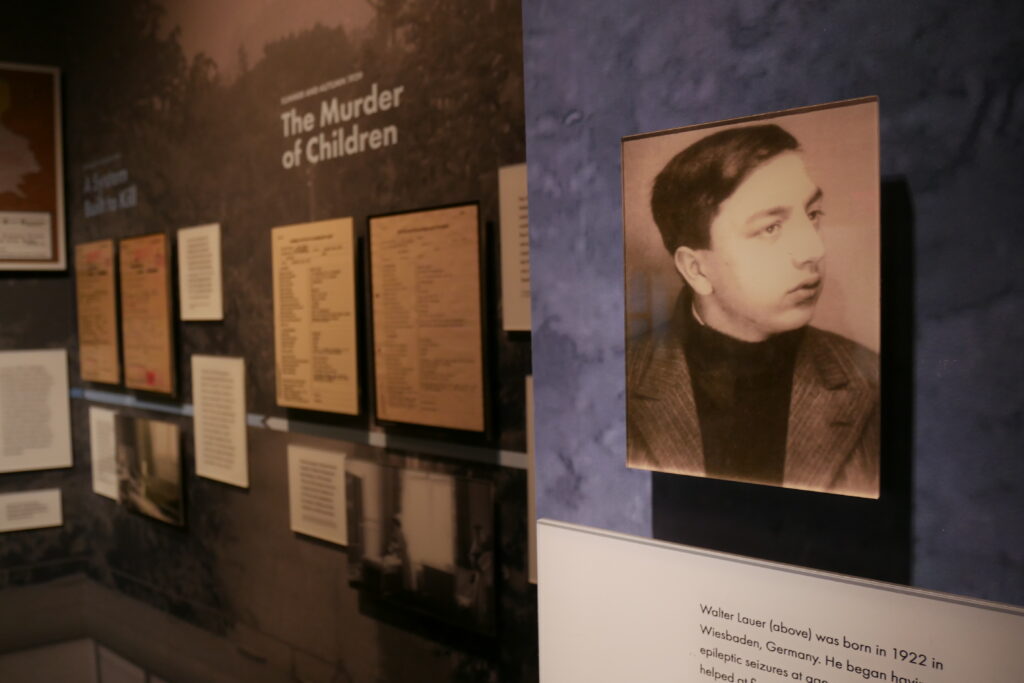
For example, one section previously discussed the murder of people with disabilities by showing examples of Nazi propaganda. It now displays letters written by Walter Lauer, a man who was killed in part because of his epilepsy, and traces the work of one of the Nazi perpetrators.
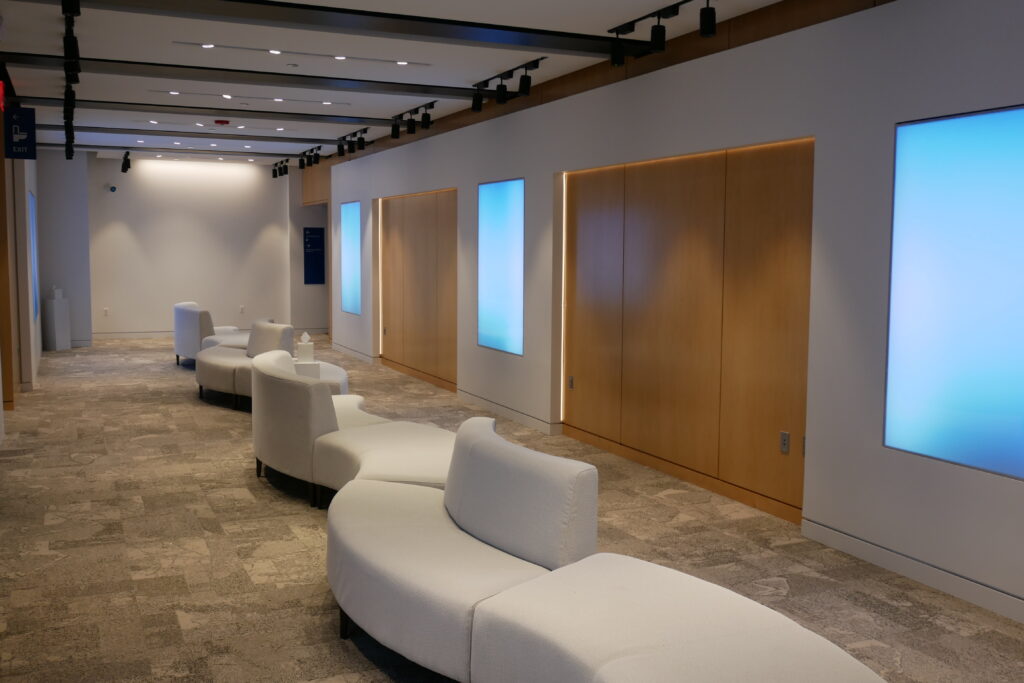
Rauch said,the museum’s renovations aimed to make the long and heavy exhibits more accessible with the “Reflection Gallery.” The room is located halfway through the exhibit and filled with soft benches, calm lighting and tissue boxes.
The renovations also help accommodate more guests as the museum has seen attendance increase over the past 10 years, Berman said.
More space for security and seating in the center’s lobby make it more welcoming, Berman said, and an expanded stage in the center’s lower level, Resilience Hall, support the educational presentations the museum gives to the hundreds of students who visit every year.
Because the museum just recently hosted a national symposium, staff also wanted to ensure the renovations supported the center’s public programming, Rauch said. The Goodman Auditorium gained 40% more seating, upgraded technology and a gallery outside its entrance.
While the renovations to the Skokie museum took place, the Illinois Holocaust Museum opened a satellite location called Experience 360 in downtown Chicago. That exhibit will remain available to visitors until Dec. 31, Berman said.
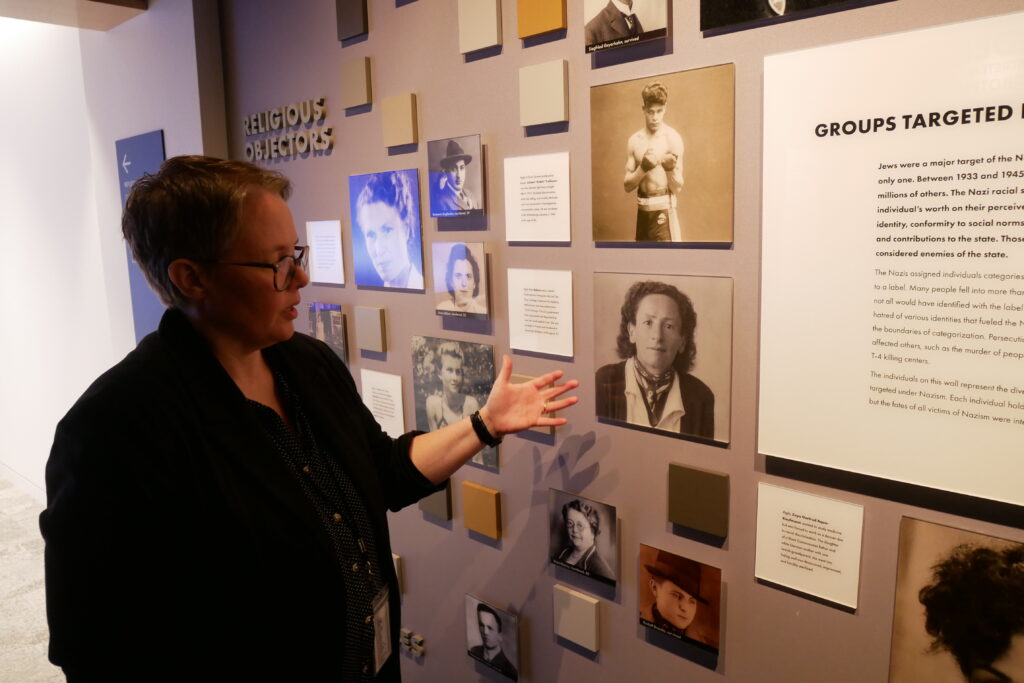
Julie Swislow, a docent at the museum, said the renovations make her feel “overwhelmed in a really good way.” Used to squeezing hundreds of students through the exhibits, she’s looking forward to how the improvements will help her tell the museum’s story.
“It makes our job as docents able to follow a routine much more easily because it follows the story much better than it did.” Swislow said of the improved main exhibit. “It’s very open, so I feel like I’m gonna be able to talk much more easily. It’s a gorgeous museum.”
The Record is a nonprofit, nonpartisan community newsroom that relies on reader support to fuel its independent local journalism.
Become a member of The Record to fund responsible news coverage for your community.
Already a member? You can make a tax-deductible donation at any time.

Samuel Lisec
Samuel Lisec is a Chicago native and Knox College alumnus with years of experience reporting on community and criminal justice issues in Illinois. Passionate about in-depth local journalism that serves its readers, he has been recognized for his investigative work by the state press association.
The Record is a nonprofit, community news site from former editors of 22nd Century Media
Our daily coverage of your government, schools, businesses and neighbors is not possible without your support.
Latest

The Record: Shortcut
Related Stories