Students over 50 are defying expectations at Highland Park’s Time To Dance
A 70-year-old regains the flexibility she had as a child. A tap instructor in her mid-90s no longer needs a walker.
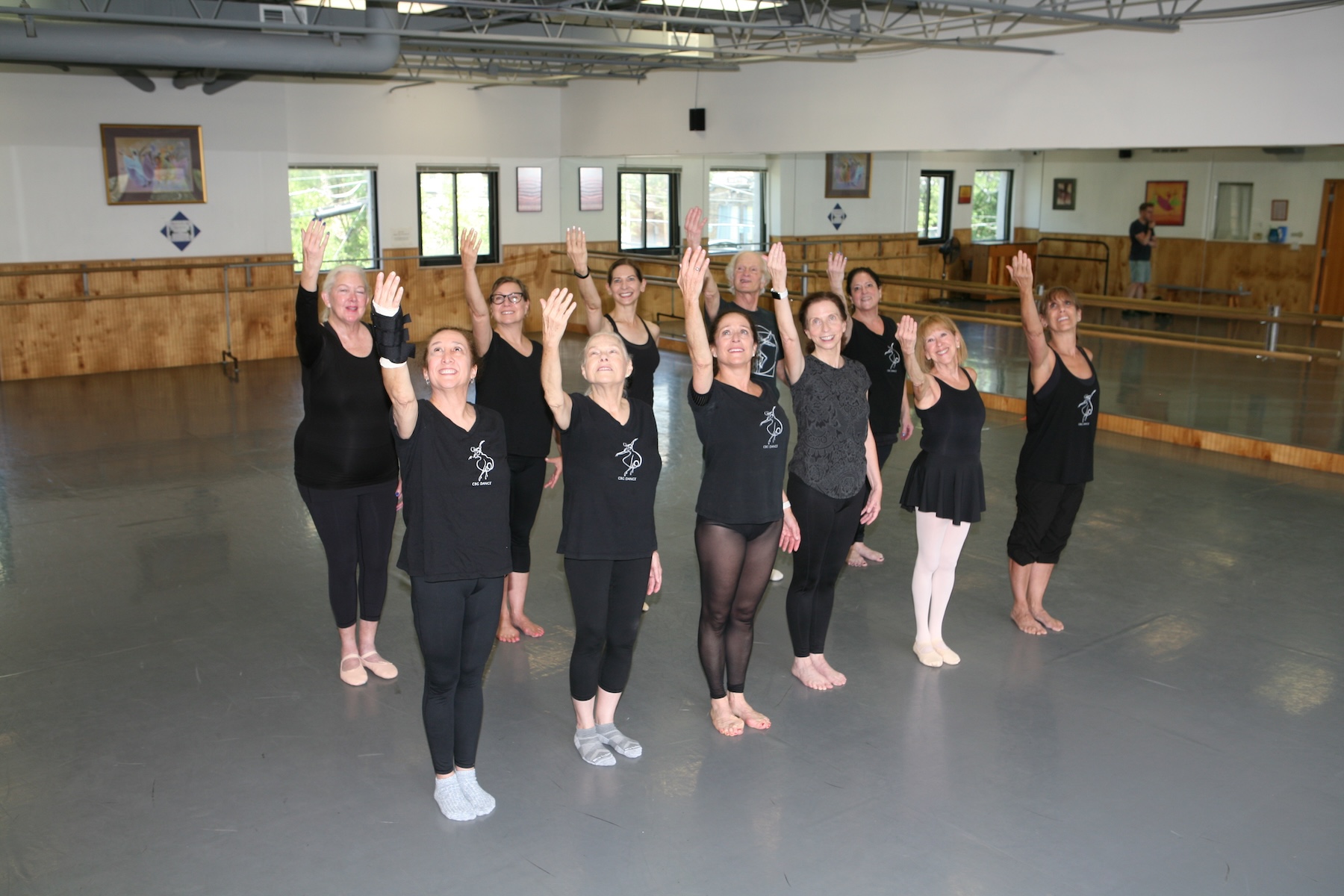
Stories like these have become part of everyday life at Time to Dance, an inclusive studio serving the 50-plus community in Highland Park. Through movement, music and connection, students said the studio has changed not only their bodies, but their lives.
“My flexibility has returned to me as much as I had as a child,” student Gretchen Klein said. “I’m just totally shocked, because I am going to be 70 years old in June. So I am like, how is that possible?”
Time to Dance, 505 Laurel Ave., is a nonprofit dance studio specifically designed for the local 50-year-old-and-up community, dedicated to “enriching the health and quality of life for adults through dance education, outreach and performance,” according to the organization’s website.
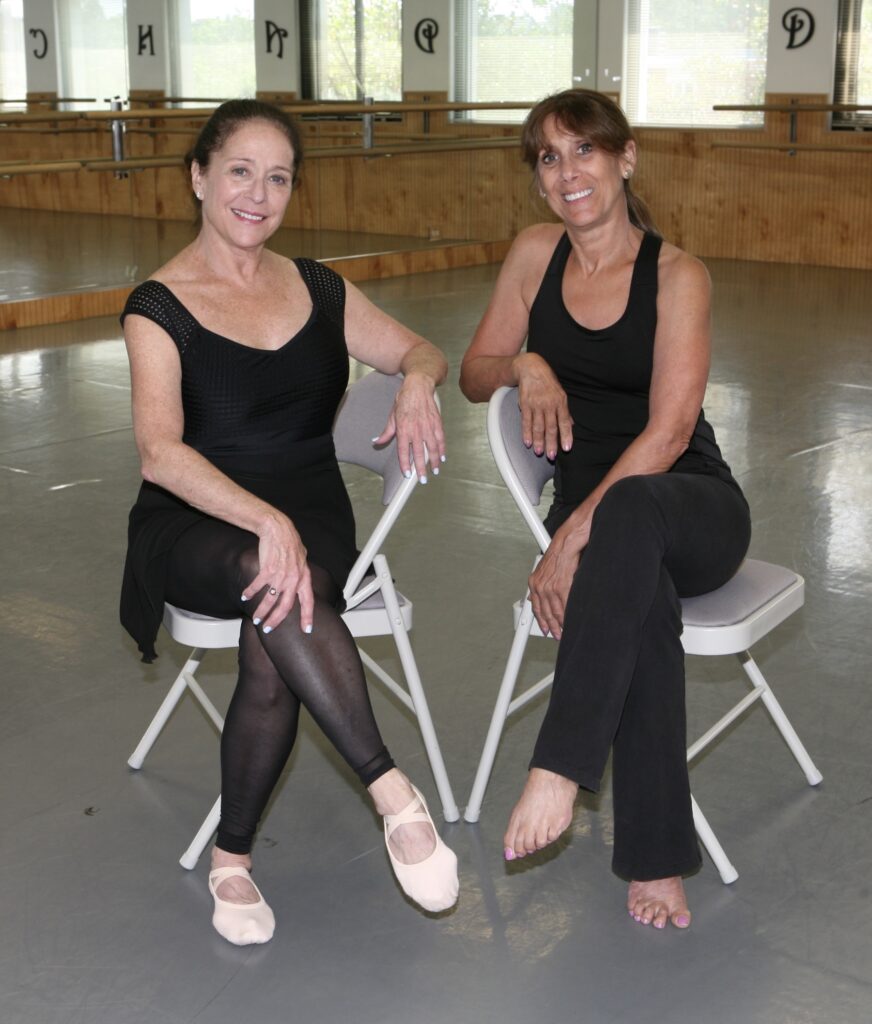
Time To Dance founders — Dr. Lynne Belsky, a former dancer with the Joffrey Ballet, and Lisa Gold, a dance instructor and 36-year owner of North Shore School of Dance, which shares a building with Time to Dance — are longtime Highland Park residents.
The studio offers ballet, jazz, tap, modern and fitness dance classes, as well as newly added jazz fusion, Broadway jazz, salsarobics, character dance and Dance for Joy (a class for breast cancer survivors).
The inspiration for the studio came during a luncheon in 2017.
“Lynne had a dream about opening a dance studio for a long time, and I wanted to do dance classes for cancer survivors,” Gold told The Record. “So we decided to combine our efforts and started this studio from the luncheon.”
Both Belsky and Gold knew that a space was needed for the 50-and-up population, with Gold saying that “movement is the fountain of youth.”
“Lynne is a doctor and saw in her patients that dance was something they needed,” Gold said. “Dance is something we knew was necessary, especially from the health aspect of it, what it does for so many people 50 years old and up in terms of keeping balance and staying healthy.”
Both Belsky and Gold have survived cancer and have personally, as well as through others, seen how dance has provided relief.
“Dance is extremely therapeutic,” Gold said. “I have seen dance help people through cancer, grief, retirement, loneliness, major life changes and more. It just takes you away for a moment, gives you a breath of fresh air, removes the weight off your shoulders and lets you focus on movement, choreography and music.”
Time to Dance also offers community, another major benefit to those who are beyond 50 years old.
“There is such a sense of community here,” Gold said. “What we do for so many people is to make them feel like they are part of something, especially when you get older, many people are not out and about as much, some face isolation, and their social life is reduced. This has built a social life for people.”
She added, “There is no stigma when you come to the studio, how you walk in, what size you are, where you came from, what disability you have, people find the beauty they already have, which builds their confidence.”
Classes are offered with adjustments to cater to aging clientele. Gold said the classes feature less jumping, don’t last as long and include safety measures, like a support barre.
“For example,” Gold said, “in our modern class, I spend a lot of time on fall and recovery. So we teach seniors how to catch themselves, as some are more prone to falling, yet it’s actually a modern dance technique.”
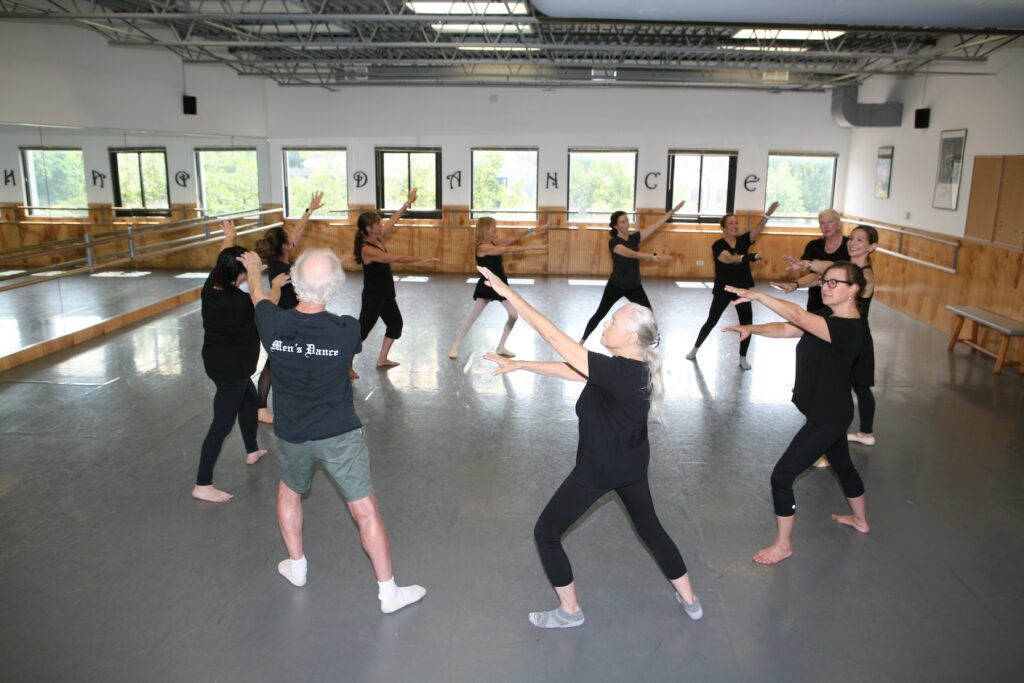
Compared to fitness, she said dance is something someone can do forever.
Gold told the story of Time to Dance’s 94-year-old tap instructor, who had broken her arm while in her 80s and then used a walker and a wheelchair to stay mobile.
She took a Time to Dance ballet class using the barre and gradually stopped using it. Soon she was walking without a walker. Gold called it “a complete turnaround.”
“Her daughters came to us and said ‘Thank you for giving our mother back to us,’” she said. “For this woman, dance gave her so much joy, purpose and love for the last nine years of her life.”
She added, “Dance gives people more options to move. The freedom that dance gives to people of all ages is miraculous, really.”
Similarly, another student, 70-year-old Gretchen Klein, had her life changed through Time to Dance.
Part of the studio for seven years, Klein takes about five classes with Time to Dance and North Shore School of Dance. She calls Time to Dance “the center of her life.”
As a retired lawyer and preschool teacher, Klein stopped dancing for 42 years following high school. It wasn’t until she joined Time to Dance that she regained the flexibility that she had as a child.
“From dancing at Time to Dance, I can now put my hands flat on the ground with my legs straight. And I can do a full split again with my right leg in front,” she said, adding, “My flexibility has returned to me as much as I had as a child. I’m just totally shocked, because I am going to be 70 years old in June. So I am like, how is that possible?”
That feeling keeps her coming back.
“I keep coming back because I feel healthier, I have more energy, I can do so many things,” Klein said. “I remember seeing my mom in her 60s and she could not do half of what I am able to do right now.”
The studio allows drop-in for individuals to pay per class, or the opportunity to purchase a class card. They also offer scholarships to support seniors on a limited income.
As a nonprofit, the studio is funded through donations and grants. The studio’s outreach programs include visits to retirement homes and senior centers to perform with residents.
In the future, the studio is looking to expand its classes, including a chair class for those who cannot stand; grow their performance groups; and welcome doctors and physical therapists to explain the benefits of dance.
Time to Dance will host a Free Day of Dance from 10:30 a.m.-3 p.m. on Sunday, June 28, when participants can enjoy a variety of 30-minute introductory classes at the studio. Reserve your spot here.
“Open your eyes, open your ears, open your heart and walk in the door,” Gold said to anyone considering Time to Dance. “Either step into the studio to dance or to watch. You will feel the community and wellness around the room — the only way to know is to try.”
The Record is a nonprofit, nonpartisan community newsroom that relies on reader support to fuel its independent local journalism.
Become a member of The Record to fund responsible news coverage for your community.
Already a member? You can make a tax-deductible donation at any time.

Alessia Girardin
Alessia Girardin is a community reporter focused on stories out of Highland Park and Highwood. A Chicago native and Regina Dominican alumna, she has published work for local and New York City publications and earned a master's degree from New York University.
The Record is a nonprofit, community news site from former editors of 22nd Century Media
Our daily coverage of your government, schools, businesses and neighbors is not possible without your support.
Latest

The Record: Shortcut
Related Stories