
New exhibit plunges into water’s past, present and future in Kenilworth
Living near the lakefront, Kenilworth Historical Society Board President Ann Potter says, is not always glamorous — especially in a town like Kenilworth, which was essentially built on a marsh.
“Water has always been a problem, but the lakefront was also very enticing for people to want to live so close to the lake,” Potter said. “So you have the two competing ways of looking at water, a problem and a benefit.”
That dynamic is explored in the Kenilworth Historical Society’s newest exhibit, Deep Dive: A History of Kenilworth’s Water Infrastructure and Lakefront, which immerses visitors into the innovation behind the community’s water sources.
Opened on May 17, the exhibit examines Kenilworth’s changes and engineered improvements to lakefront infrastructure. It analyzes how Kenilworth has preserved its shoreline and managed stormwater through historic maps, photographs and artifacts.
The Kenilworth Historical Society is located in the Stuart Memorial Building, 415 Kenilworth Ave. and is open to the public between 9 a.m-5 p.m. Tuesdays and Thursdays. The organization collects artifacts from locals and curates them into exhibits that cement Kenilworth history for future generations.
The newest exhibit features the past, present and future of water in Kenilworth.
Kenilworth’s Beach Improvement Project initially inspired the new exhibit, said Will Taylor, Kenilworth Historical Society curator and director. The project, as previously covered by The Record, will add a new bathroom, an ADA-approved ramp and improvements to the beach’s landscape.
“(The village is) raising money for this project, so we thought it’d be a nice way to just raise awareness about the efforts they’re doing at the lakefront,” Taylor said.
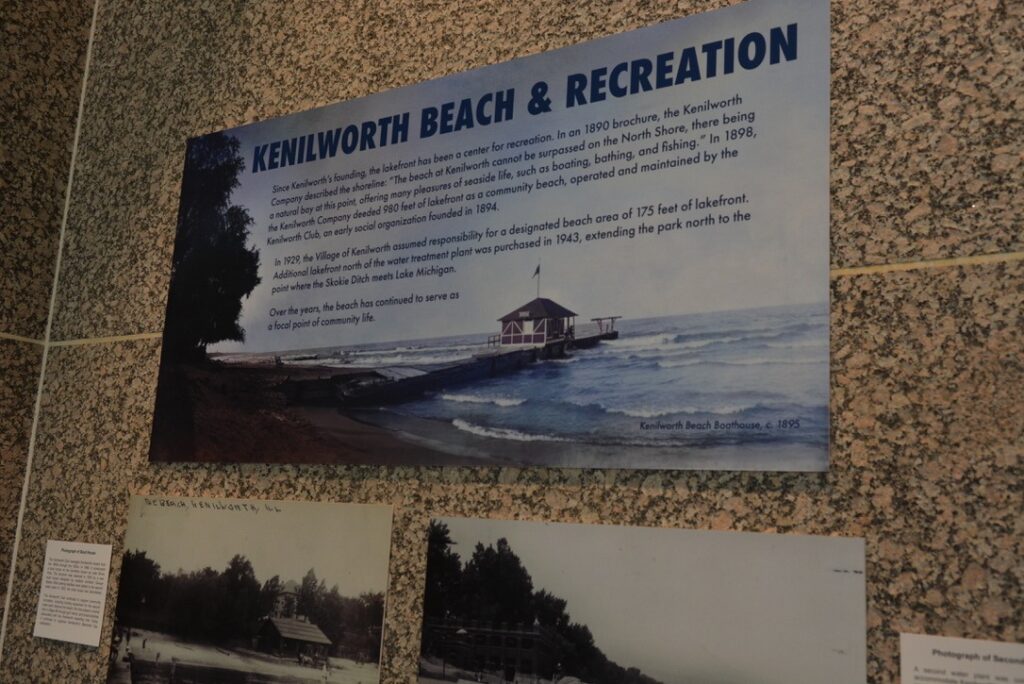
Part of the new display recently added to the lobby of the Kenilworth Historical Society.
In fact, the historical society even extended the exhibit to the front corridor of the building, showcasing the recent water-related projects on which the village has worked.
Every item in the exhibit relates to Kenilworth’s proximity to the water.
One of the main goals of the exhibit is to educate the community about the importance of water in Kenilworth, said Betty Fisher Wiggins, Kenilworth Historical Society board secretary
“Living in this area, water is a thing,” Wiggins said. “It rains, it floods, but we don’t think beyond the immediate after-effect …. that water itself affects everything that underlies a town. And so why and when (a town) was developed, how water runs through, how beaches play an important role, especially on the North Shore, and how these areas get developed.
“They have histories of their own, and you can tie them directly to water.”
To curate the exhibit, Taylor looked into countless archives and received display items from Kenilworth Public Works, Village Hall and even residents.
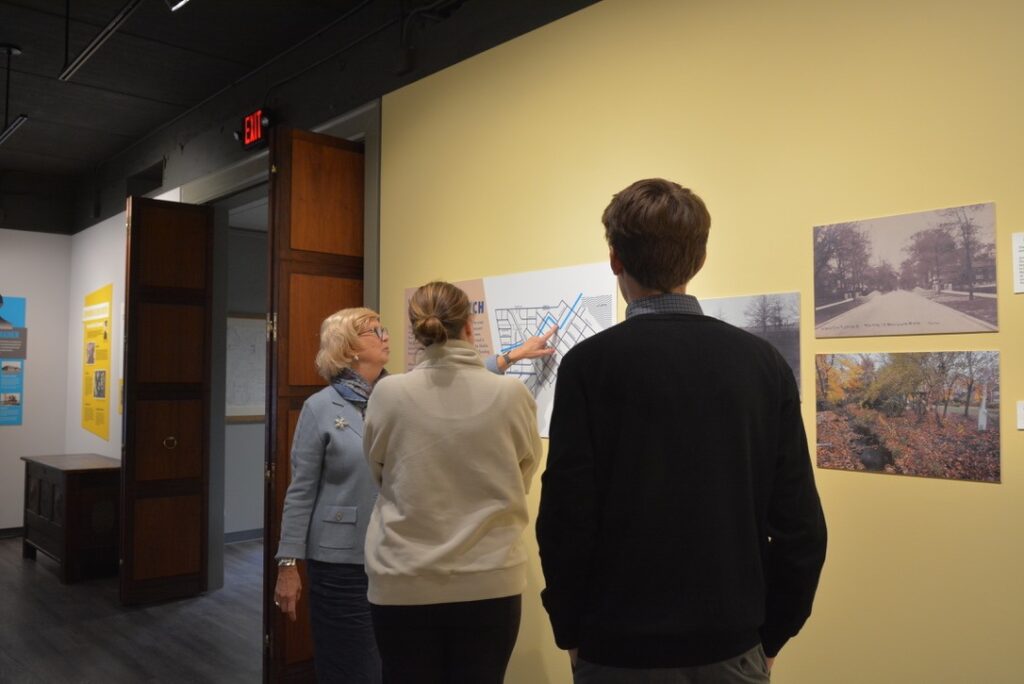
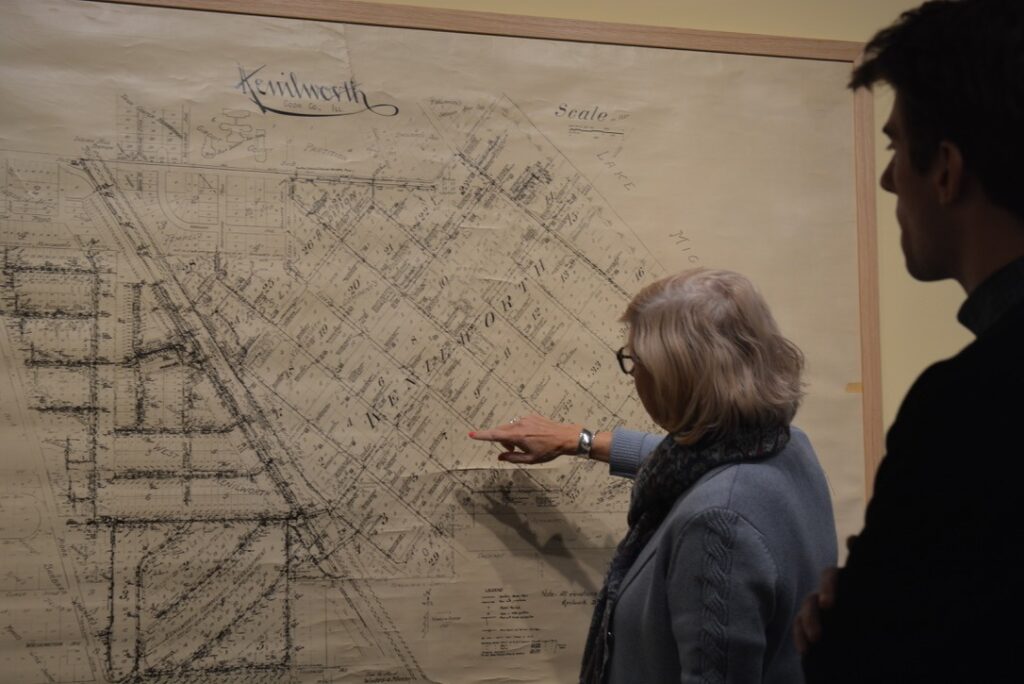
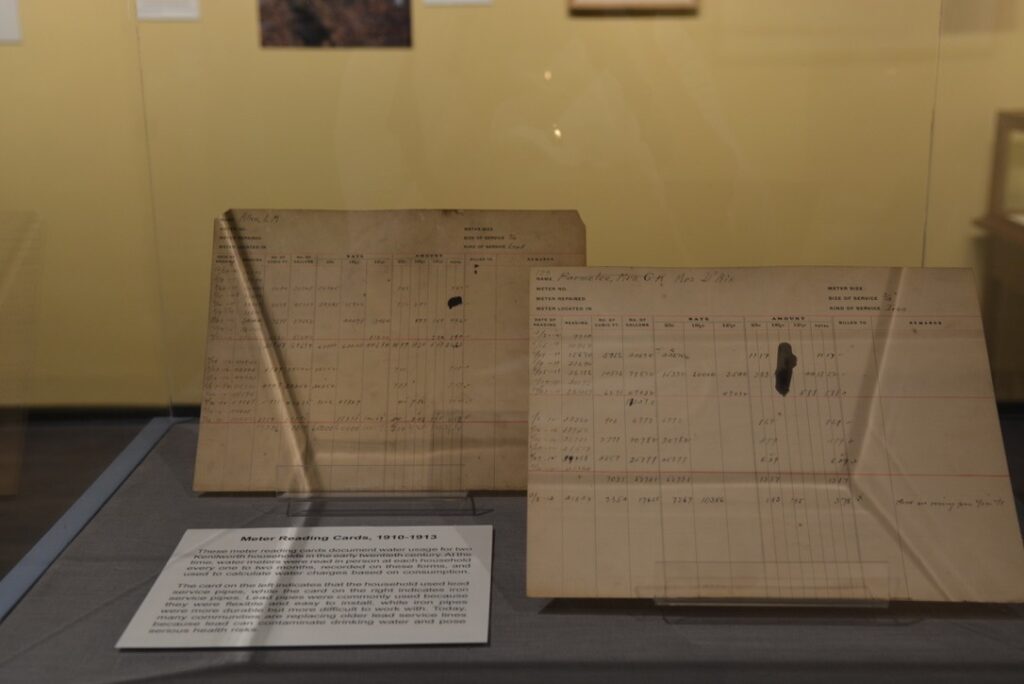
The walls of the exhibit are covered in huge maps, depicting the water and sewer lines of Kenilworth. Photographs, both old and new, show various water systems that Kenilworth used over its 137 years of existence.
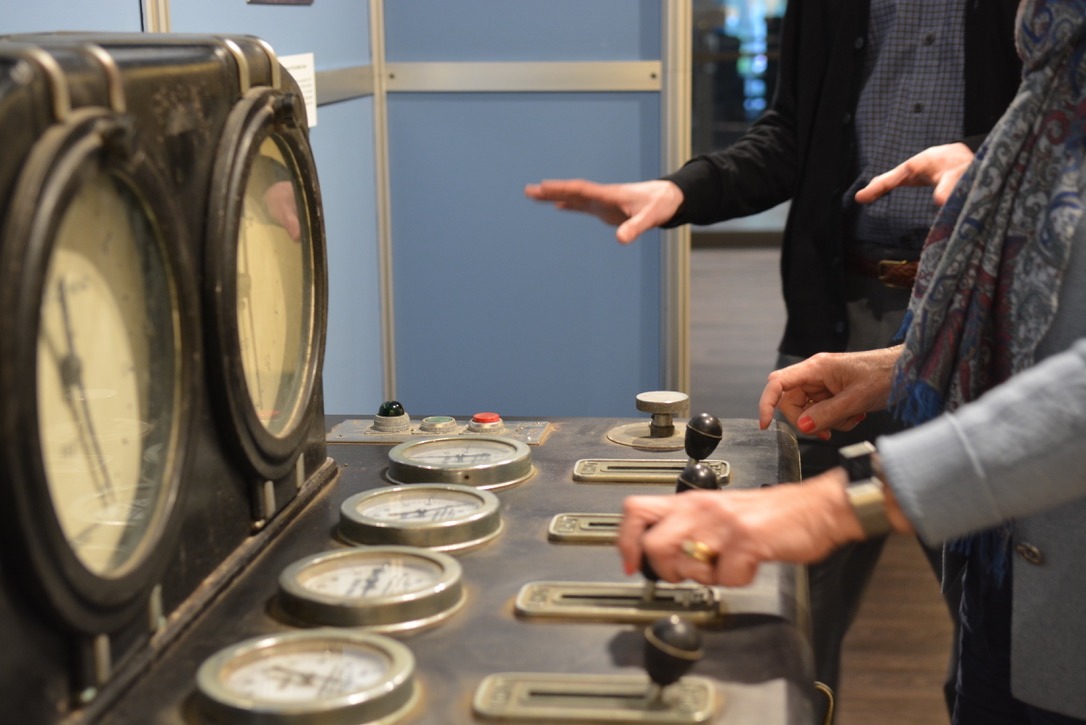
The star of the show, Taylor said, is the filter control panel. Weighing hundreds of pounds, the panel features buttons and controls that once served as a way to maintain safe water levels.
Some of the items in the collection have been in the historical society’s archive for nearly 100 years.
“What’s great about historic societies and little museums like this is that they’re open to contributions from everyone and really gain and grow as a result of that,” Wiggins said.
While the exhibit is open to all, the team behind the exhibit focused on capturing the attention span of a younger audience.
The society created a water-themed activity guide for local children to engage with this summer.
“A big takeaway from (this exhibit) is thinking about educating children in the community about the unseen aspect of the water infrastructure that can be abstract in a sense,” Taylor said. “One goal I would say of the organization is trying to tie in our exhibit to other programming, really both as a way to bring people in, but also to just further share the history.”
The Record is a nonprofit, nonpartisan community newsroom that relies on reader support to fuel its independent local journalism.
Become a member of The Record to fund responsible news coverage for your community.
Already a member? You can make a tax-deductible donation at any time.

Penelope Roewe
Penelope Roewe is a reporting intern at The Record. In the past, she has reported on Skokie news as an editor for Niles North's student newspaper, North Star News. She is currently a sophomore studying journalism and political science at the University of Illinois Urbana-Champaign and writes for The Daily Illini.
The Record is a nonprofit, community news site from former editors of 22nd Century Media
Our daily coverage of your government, schools, businesses and neighbors is not possible without your support.
Latest

The Record: Shortcut
Related Stories