Highland Park rejects museum plan for Michael Jordan’s former home
Highland Park officials again turned away a proposal to transform Michael Jordan’s former Highland Park home into a community attraction.
Without an official vote Monday night, the City Council stood its ground against the plan, halting the project’s request for a zoning amendment.
Councilmembers sided with residents who argued the project would disrupt the character and quiet of their neighborhood. Despite the developer’s renewed pitch, significant community opposition once again proved decisive.
In December of last year, councilmembers first listened to property owner John Cooper’s plan to turn Michael Jordan’s former home into a for-profit museum, called Champions Point, and expressed several concerns after hearing from several neighbors.
This time around, the City Council received several letters ahead of the March 30 meeting in opposition of the plan and agreed the project did not fit its location.
“I love the idea of a museum like this, but I just can’t get past that it’s in the middle of a residential area,” Councilmember Andrés Tapia said. “The success of this project would require significant support of the neighborhood — which you don’t have.”
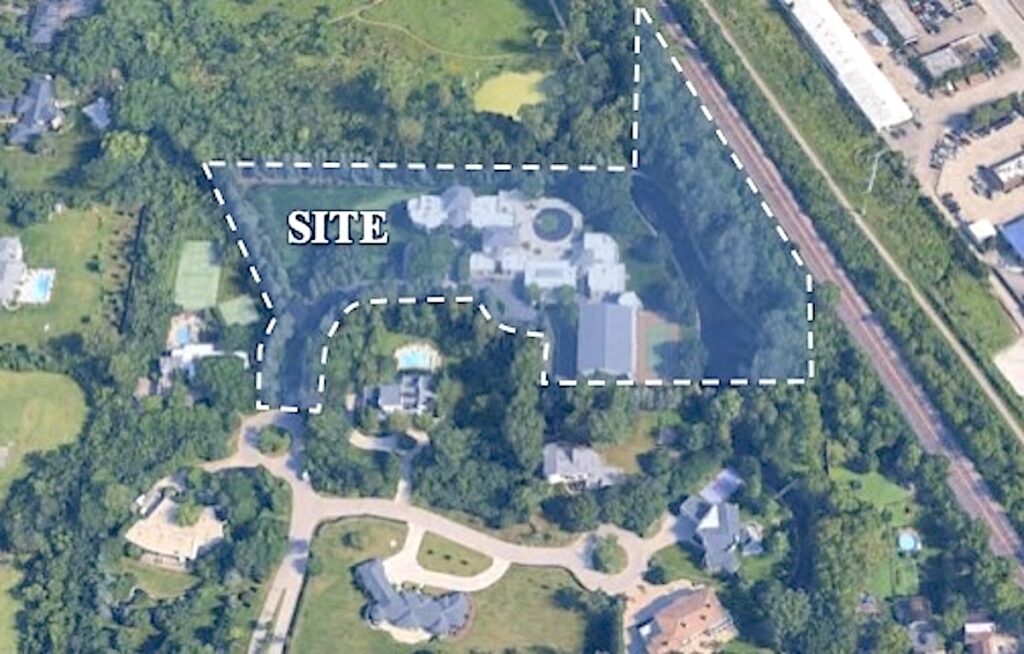
Champions Point, according to Cooper’s latest narrative, would be a museum that relies on ticket sales to a repurposed “globally significant property.” Guests — Cooper estimates up to 500 a day — would park off site and be bused to the facility. In the project plan, Michael Jordan’s name is not used.
What’s new
Since the December meeting, Cooper made adjustments to his proposal, based on council and resident feedback.
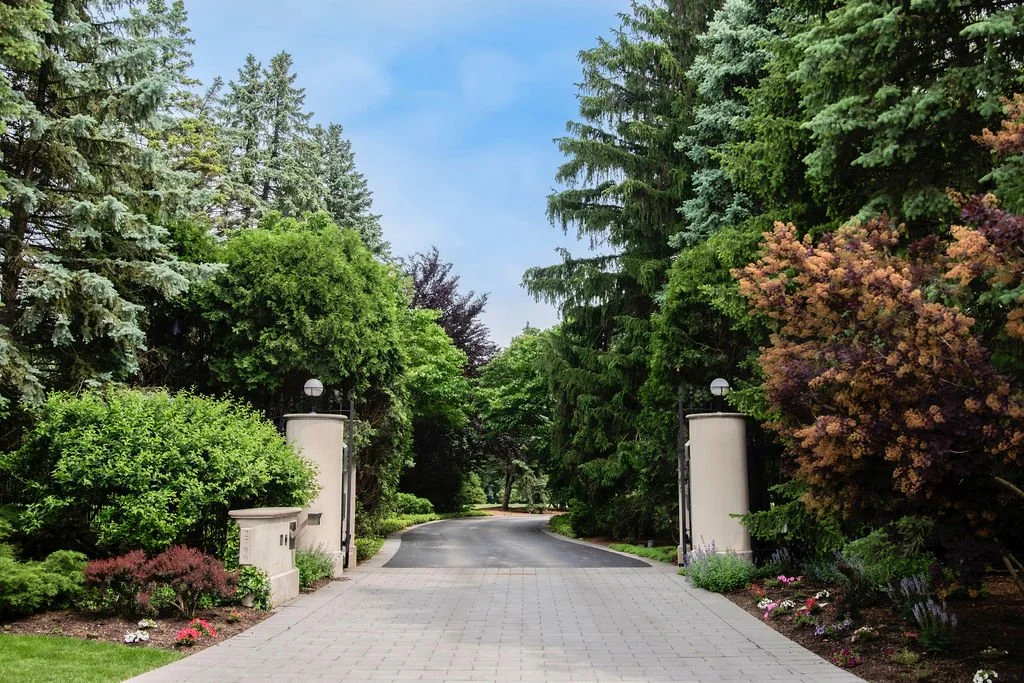
A neighbor was concerned that the project’s entry path would be too close to his home. So, Cooper’s path is now “several hundred feet” further away from neighbors’ properties.
Another neighbor was concerned that the museum would be harmful to Heller Nature Center. Cooper hired an arborist who found that no trees would have to be cut down and the proposal will not have any effect on the “current health” of the trees.
Cooper also brought in a wildlife biologist who reported that the proposal of daily, weekly and monthly seasonal use of the trail was “very unlikely” to increase impacts on wildlife over the impacts already present.
Neighbors were also concerned with how many people would come into the museum. Cooper found that the museum would attract 300 to 500 people per day, which would be one person per minute walking through the Heller Nature Center.
“When you think about one person stepping in every minute in 97 acres of land, that’s not really a huge impact on the space there,” Cooper said.
Rotering and the council also wanted to see a greater positive impact for Highland Park, and in response, Cooper expanded the museum’s community benefits package to include free school field trips, a Champions Curriculum program for local high schools, 48 days a year dedicated to community programming, and a pledge for 10% of the profits to go to the Park District of Highland Park.
Cooper noted in his plan all of that would equal a 38% economic return to the community.
Council critiques
Despite the benefit plan, Mayor Nancy Rotering also questioned the for-profit format of the museum.
“Usually museums are non-profits. This one isn’t, which is strange,” she said, asking Cooper how he came up with a 38% economic impact in Highland Park.
Cooper said the number came from an economic impact study; however, Cooper did not address what would happen if the museum did not succeed.
That didn’t sit well with Councilmember Barisa Bruckman, who, like Tapia, said that if the museum did not have the community’s support it would not make it.
Bruckman’s statement was followed by a roar of applause from the neighbors opposing the plan.
Rotering was also concerned that Cooper did not talk to schools about the “curriculum” the museum would offer. Details on that curriculum were not provided.
Tapia said the outdoor path Cooper plans to build from a parking lot to the museum would not attract many people during the winter, hurting the project for at least a quarter of the year.
Cooper recognized that the museum would struggle during cold months, and he understood the risk.
Above most issues, though, the museum’s residential location was not something council members could get past.
Councilmember Anthony Blumberg echoed Tapia’s statement.
“The community is inconsistent with commercial use in a quiet residential area,” Blumberg said.
Councilmember Jon Center agreed, saying that neighbors have the last say in the plan.
“I appreciate the vibrancy and economic development of this project,” Center said. “But people buying the property knew what they were getting into, which was a quiet residential area.”
Rotering suggested that the museum perhaps be developed in a more appropriate location, like the city of Chicago, where it likely would be more welcomed.
One neighbor pointed out that the city’s zoning code is part of what makes Highland Park appealing and changing it would “betray our public trust.”
The project did receive support.
One business owner commented that the museum — like other area attractions, including the Baha’i Temple and Chicago Botanic Gardens — could act like an economic engine for the community.
Another advantage would be opportunities the museum provides for local youth. Niki Moe, board member of Curt’s Cafe, said her nonprofit would be a partner with Champions Point.
“The museum and the cafe would be the perfect marriage to teach kids discipline and character,” Moe said. “The museum would allow kids to look up to celebrity, Michael Jordan as a role model in our community.”
Supporters also said the museum would bring joy to children and Michael Jordan fans, countering any challenges for neighbors.
But councilmembers did not agree.
The Record is a nonprofit, nonpartisan community newsroom that relies on reader support to fuel its independent local journalism.
Become a member of The Record to fund responsible news coverage for your community.
Already a member? You can make a tax-deductible donation at any time.

Alessia Girardin
Alessia Girardin is a community reporter focused on stories out of Highland Park and Highwood. A Chicago native and Regina Dominican alumna, she has published work for local and New York City publications and earned a master's degree from New York University.
The Record is a nonprofit, community news site from former editors of 22nd Century Media
Our daily coverage of your government, schools, businesses and neighbors is not possible without your support.
Latest

The Record: Shortcut
Related Stories