
Nonprofit unveils mobile substance-abuse services in Skokie
PEER Services, an Evanston-based nonprofit that focuses on preventing and treating substance abuse, sees about 30 clients a day.
Those clients get connected with 12-step recovery programs, healthy nutrition plans, methadone treatments and group counseling sessions.
But for many of those individuals, transportation is a barrier to remaining in consistent contact with the services, said Jahmillia Frye, director of the nonprofit’s Medication Assisted Recovery program.
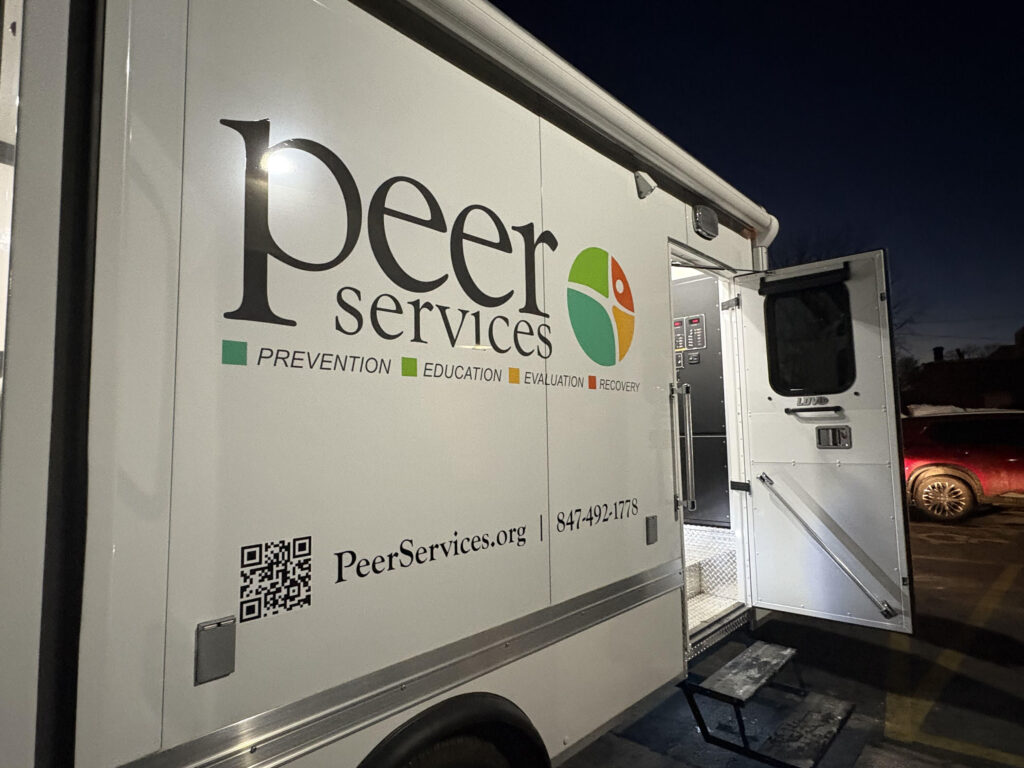
In response, PEER has launched its first mobile MAR program, a specially outfitted van that aims to lower the barrier to substance-abuse services by wheeling PEER’s resources directly to those who need them.
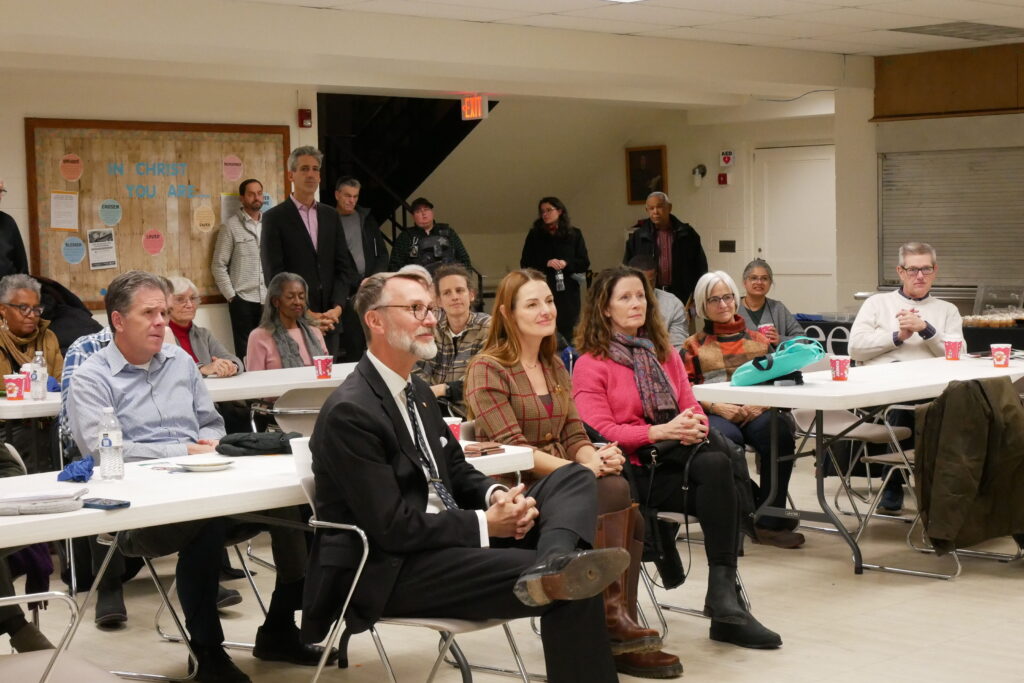
The unveiling of the MAR unit gathered local healthcare professionals and community leaders — like Skokie Mayor Ann Tennes, Evanston Mayor Daniel Biss and State Sen. Ram Villivalam (D-8th) — to Skokie’s St. Paul Lutheran Church on Dec. 4 to celebrate the new initiative.
“We are asking something big. We are asking for people who want to change, to change,” said Mike Baskin, chair of PEER’s board. “Think about yourself. It is not easy to change anything. It is especially hard with a pattern of addictive substances.
“Mobile MAR is our way of saying to the client, we know how hard it is and we know what you want to do, so we are coming to you to make it a little less hard. And we will be with you every step of the way.”
St. Paul Lutheran Church — the home of the Niles Township Respite Center, a place where people experiencing homelessness can rest, shower and do laundry during the day — is one of two places the Mobile MAR van will now begin visiting each week.
The Mobile MAR van will be outside the Skokie church located at 5201 Galitz St. from 7-11 a.m. on Mondays and Tuesdays; it will be outside Connections for the Homeless, a nonprofit at 2121 Dewey Ave. in Evanston, from 8 a.m. to noon on Fridays.
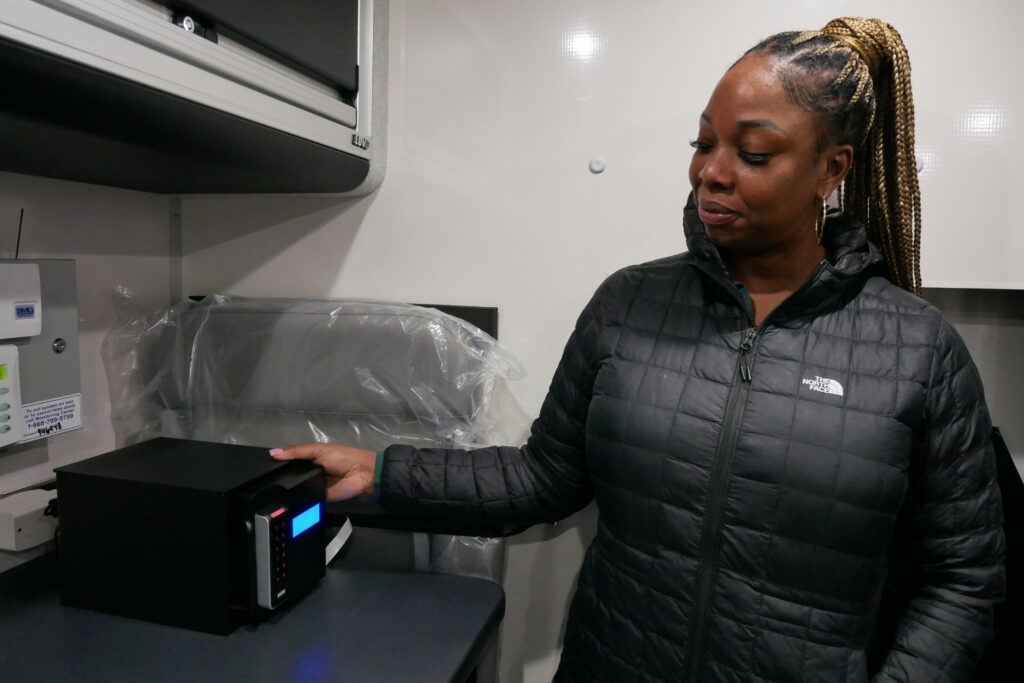
Inside the van, Frye said, individuals can receive “harm-reduction” resources like Narcan, fentanyl test strips, their first dose of methadone and educational materials about addiction.
A treatment bed allows an on-board nurse to take vitals and conduct mental health assessments. A recovery support specialist — a PEER staff member who has experience with substance abuse — will inform individuals about how to move forward with their recovery journey.
The Mobile MAR unit will effectively serve as a moving induction clinic; once individuals get introduced to PEER through the van, they’ll be directed to continue receiving support at one of the nonprofit’s Evanston or Skokie brick-and-mortar sites.
While PEER serves about 110 clients a year, Frye said that number is lower than it was pre-pandemic.
Seeking to expand PEER’s services and help people get access to medication and other treatment without needing to come to a clinic in person, especially as temperatures drop, the nonprofit decided to pursue this mobile MAR unit.
Richard Weiskoft, a representative from the Illinois Department of Human Service’s State Opioid Treatment Authority, said the mobile van is a “very successful model for outreach” but currently only one other program utilizes it in the state.
“I think this was tried a number of times before. Twenty years ago it didn’t quite pan out, but the good folks at PEER Services have always done things properly by the numbers, asked good questions, (they) want to do it right and they have,” Weiskoft said.
In order to create the program, Frye said PEER had to do a lot of research.
The vehicle is not yet approved for needle exchange, the driver is armed and the drugs on board must be stored in a locked safe bolted to a counter.
The Niles Township Respite Center and Connections for the Homeless are its only partners now, but Frye said PEER is looking for more.
Ruth Orme-Johnson, director of social services with Niles Township, said her office is “just elated” to be able to provide the Mobile MAR unit to their clients, because sometimes it can feel like the avenues they have to connect individuals with the help they need are “just not enough.”
“The front line of supporting our clients can be really really difficult when you feel like what you do is you provide a pathway and then the person can’t really take that first step because there’s too much in the way,” Orme-Johnson said. “So you try to offer ways to get out of homelessness, to get out of addiction, to get towards recovery and all you can do is offer a phone number or even a ride somewhere.
“But having a really warm handoff, a place where we can send people and know that they’re going to be taken care of appropriately, respectfully, where we can really believe that they’re going to get what they need, that is just so meaningful to us.”

Samuel Lisec
Samuel Lisec is a Chicago native and Knox College alumnus with years of experience reporting on community and criminal justice issues in Illinois. Passionate about in-depth local journalism that serves its readers, he has been recognized for his investigative work by the state press association.
The Record is a nonprofit, community news site from former editors of 22nd Century Media
Our daily coverage of your government, schools, businesses and neighbors is not possible without your support.
Latest

The Record: Shortcut
Related Stories