Highland Park staff proposes business grant for local grads, while also scaling back other business incentives
Highland Park businesses have had several opportunities to receive support from the City, and the future of those opportunities were under review this week as the city prepares its 2027 budget.
At Monday’s Committee of the Whole session, City councilmembers heard updates on the existing four financial incentives and a proposed fifth, the proposed Giant Grant aimed at helping local high school graduates open businesses in Highland Park.
The City’s current monetary incentives to new and existing businesses and property owners are the boutique incentive, the food and beverage interior improvement and expansion grant, the exterior improvement grant, and the sales tax rebate program.
The City collected feedback from the business community to learn about the performance of these programs and compared that feedback to similar incentives in nearby communities, like Wilmette, Northbrook and Glencoe.
Aside from the Giant Grant, City staff for the most part recommended scaling back the programs, including limiting their funding and raising eligibility standards.
No decisions were made on Monday, and Mayor Nancy Rotering said that officials should have a more in-depth and high-level conversation about the staff recommendations and said determining return-on-investment for the programs should be considered.
Councilmember John Center agreed, saying that all the factors — such as how to drive business growth, support existing businesses and protecting local tax dollars — make decision making complex and worth revisiting.
The Giant Grant: $10,000 budgeted
Among the programs discussed was a new incentive, the Giant Grant, that would provide direct financial assistance to graduates of local high schools, primarily Highland Park High School, hence the name, who are Highland Park residents opening their first business in town.
The program reportedly is designed to encourage local entrepreneurship and support new business formation in Highland Park’s commercial districts.
Staff recommends the maximum grant award would be $5,000 with 75% of the funds disbursed upon execution of an incentive agreement and the rest once the business obtains its certificate of occupancy and demonstrates that all required licenses and taxes are in good standing.
Applicants would be required to complete at least two meetings with approved small business resource partners and meet with City Business Development staff.
Boutique Incentive: No funds budgeted
According to the city, the boutique incentive program was designed to recruit two to three “catalytic” restaurant groups over the course of 2-3 years
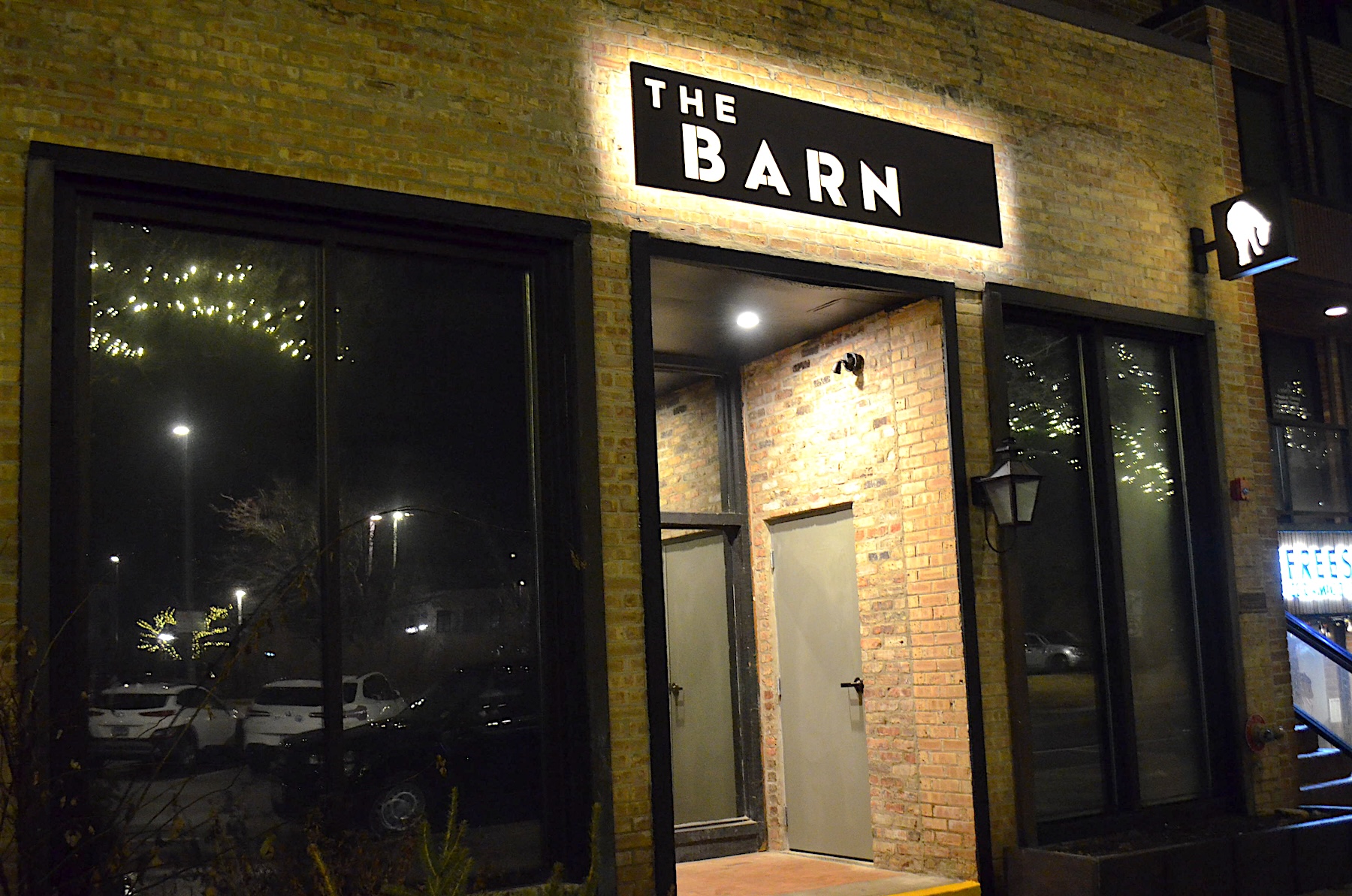
In accordance with the program, more than $2 million in city funds went to The Barn Steakhouse, a product of renowned chef Amy Mortion, and Denucci’s Italian HP, a restaurant from Ballyhoo Hospitality.
No expenses related to the boutique incentive are expected in 2027, as officials said they need time to evaluate the effectiveness of the program.
Food and Beverage Interior Improvement and Expansion Grant: $325,000 budgeted
City staff proposed including retail businesses — with a minimum 51% of transactions generating sales tax — in its interior improvement and expansion grant, at 50% of project expenditures up to $10,000.
The program was originally designed to cover restaurants and bars.
Business owners reportedly told the City that they need additional support while competing against e-commerce and big box stores.
Under the proposed changes, food and beverage establishments would be eligible for a grant of 50% of eligible expenditures with a cap of $50,000, a significant decrease from the current $150,000 cap. According to a City staff report, the change would bring Highland Park more in line with its neighbors with similar programs, while remaining competitive.
Additionally, the city would equally consider full-service and limited service restaurants and they must have recorded gross revenue of at least $500,000 in each of the last two years.
Councilmember Annette Lidawer, thought the cut — from $150,000 to $50,000 — was “too large” and recommended $100,000. Likewise, she suggested a $20,000 cap for retail businesses may be more appropriate.
Councilmember Barisa Bruckman said that adding retail is a “great expansion” and that the City should use the $10,000 cap next year as a pilot before deciding whether or not to make changes to that number.
But Rotering said she’d like to further discuss whether to include retail.
Exterior Improvement Grant: $75,000 budgeted
Exterior Improvement Grants provide financial assistance to new and existing sales-tax-producing businesses for improvements to the look and functionality of their property.
Staff recommends cutting the program’s funding cap and giving businesses more time through the process. The changes would make the grant application deadline up to 60 days, up from 30, after a project is complete and also give businesses 180 days, up from 120, from application to project completion.
The changes would cover 50% of eligible expenditures up to $5,000 annually, instead of $20,000, and make it available once every five years.
Murals would be included, under the changes, but landscaping and outdoor heaters would not. A $150 application fee is also proposed.
Sales Tax Rebate Program: $150,000 budgeted
This program provides performance-based financial incentives for Highland Park to attract and retain businesses.
Staff recommends creating a 60/40 split for businesses generating between $1 million-$9.9 million in taxable revenue and a negotiable split for businesses generating more than $10 million.
To be eligible, new businesses would need to invest at least $2 million in their concept, a significant hike from $250,000, and existing businesses at least $1.5 million, up from $75,000.
Application fees would also be added to the program — $2,500 for businesses generating under $10 million and $5,000 for those above that threshold.
The Record is a nonprofit, nonpartisan community newsroom that relies on reader support to fuel its independent local journalism.
Become a member of The Record to fund responsible news coverage for your community.
Already a member? You can make a tax-deductible donation at any time.

Alessia Girardin
Alessia Girardin is a community reporter focused on stories out of Highland Park and Highwood. A Chicago native and Regina Dominican alumna, she has published work for local and New York City publications and earned a master's degree from New York University.
The Record is a nonprofit, community news site from former editors of 22nd Century Media
Our daily coverage of your government, schools, businesses and neighbors is not possible without your support.
Latest

The Record: Shortcut
Related Stories