City Council supports subdivision of historic Highland Park lot that holds town’s first home
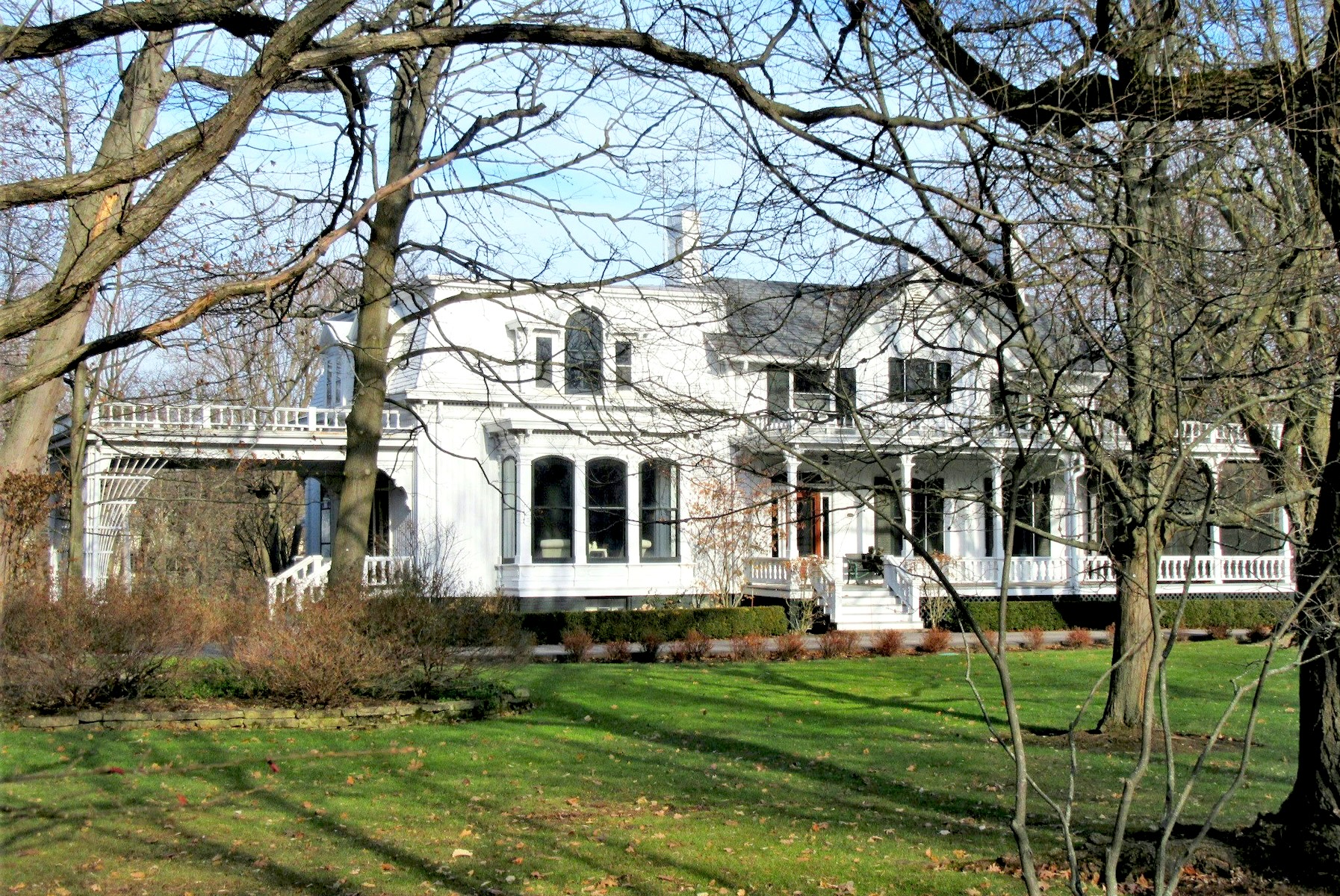
The Highland Park City Council on Monday, Aug. 17, gave preliminary approval to a request for the subdivision of 147 Central Ave., a property with what is recognized as the city’s first home, into two roughly 89,000-square-foot lots.
The decision followed a debate among residents over whether the home’s landmark status supported dividing the site to accommodate a second single-family home.
“This request is a legitimate request; this is not a money grab. This is not a big-time developer looking to squeeze every last dollar out of a piece of land,” Councilmember Anthony Blumberg said.
With preliminary council approval, the measure will go back in front of the Historic Preservation Commission and Plan and Design Commission before returning to the City Council for final approval.
The existing land at 147 Central Ave. is larger than three acres in a single family district, according to Joel Fontane, the City’s director of community development, and according to Lisa Rome, who represents the property for James Sotheby’s International Realty, it’s the only landmarked land that large in Highland Park.
In total, 147 Central Ave. covers 4.3 acres, including the landmarked home, which is 45,000 square feet.
“Out of 74 Highland Park local landmark homes, only three sit on more than two acres,” Rome said. “And 55 homes are on less than one acre.”
The request came from law firm Samuels & Bernstein while the home is vacant, said Calvin Bernstein, an attorney for the applicant.
The City’s Historic Preservation Commission as well as the Plan and Design Commission previously reviewed the request and recorded differing opinions — the HPC in opposition and PDC in support.
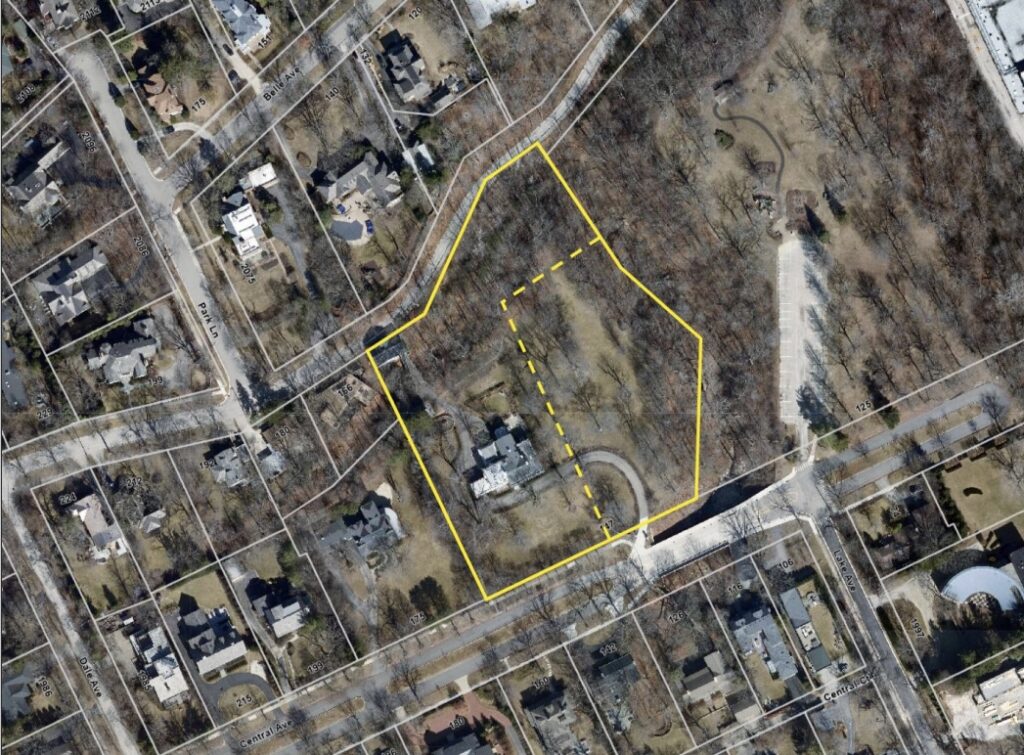
The advisory commissions recommended that, if subdivision was approved, certain features of the property remain preserved, including the gatepost, the wrought iron fence, heritage trees, and the driveway.
The applicant also offered a $2,500 donation to the City to help promote its preservation.
Eric Rothner, the owner of the property, said that with the proposal, the historic home will remain on its existing parcel, but the adjacent land itself is “not historic” and any sale of the subdivided lot will “not affect” the historic home.
Broker’s perspective
Rome called 147 Central Ave. an “extraordinary outlier,” not only for the amount of land occupied by a property but also for what a future owner is asked to maintain.
Buyers reportedly told Rome that maintaining the historic home combined with 4 acres of property felt “overwhelming,” and “too much to take on,” she said.
The cost to maintain the property will only go up from the current selling price to reconfigure the floor plan, the stairs and more, buyers have reportedly pointed out.
After 10 private showings for over a year, Rome said she noticed that prospective buyers who loved historic architecture also recognized the challenges of adapting this particular property to modern living.
Rome — who said she also cares about preservation and that “there is craftsmanship in the home that simply cannot be replicated today” — believes the home should be marketed appropriately.
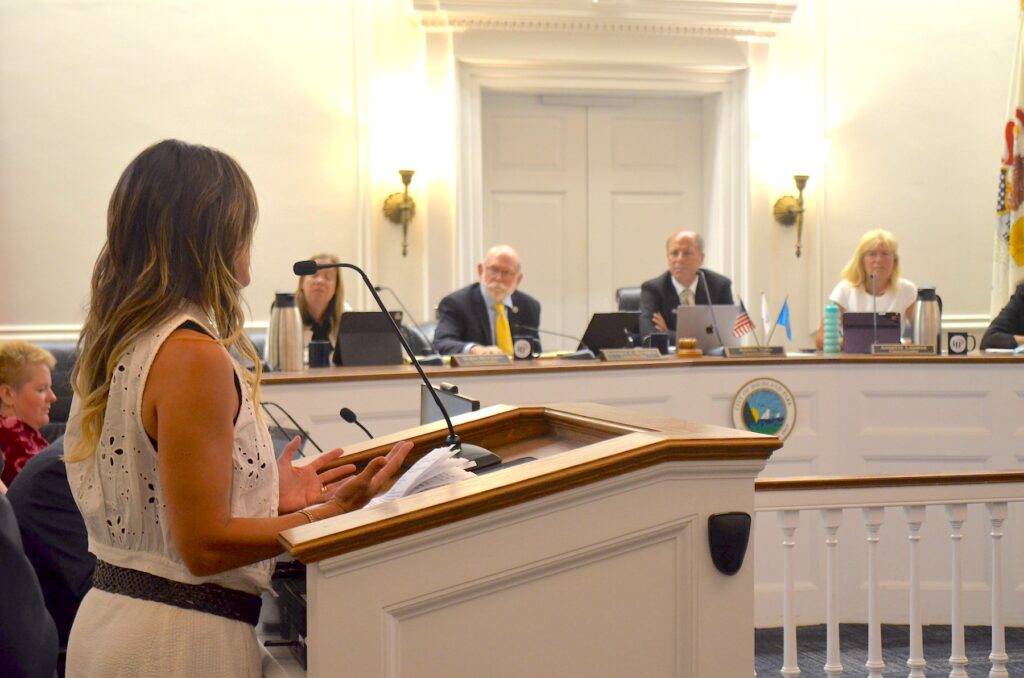
Preservation, in Rome’s eyes, means creating an environment in which these historic homes can be “realistically” owned, maintained and loved.
“Subdividing the land does not change the legacy of 147 Central Ave.,” Rome said. “We are not removing any elements or designations that make this home significant. We are proposing a thoughtful evolution of the property that creates a more manageable historic residence and opens an opportunity for another family to become part of the Highland Park community. To me, that’s not choosing development over preservation; it’s using thoughtful change as a means for preservation.”
Resident support
Highland Park’s Robin Nankin shared Rome’s sentiment.
Nankin and her husband also purchased a historic home like the one at 147 Central Ave. and “spent years,” restoring it, she said.
She said she understands firsthand the responsibility, expense and long-term commitment required to properly maintain and restore a historic property.
If her property had not been previously subdivided, she said, she and her husband would not have been able to afford it.
She believes that preserving a historic home does not require “preserving every acre,” rather it is to “protect the historic resource itself.”
According to her, if the home setting and character are preserved then historical significance remains intact.
Resident opposition
On the other hand, other residents believe that preserving 147 Central Ave. in its entirety is necessary and were against the subdivision.
Jim Terman, a 50-year resident, spoke against the proposal, citing the historic commission’s vote opposing the measure, as it would “irreversibly alter the property’s historic setting,” he said.
He said historic preservation districts protect the architectural integrity and character that define the city’s identity, but only if applied consistently, and every exception of that rule becomes a “precedent for the next.”
Like Terman, Highland Park resident Julie Ehrlich opposed the proposal.
Ehrlich was on the HPC for more than 10 years and has plenty of experience landmarking a property. She called the process to landmark a property “torturous,” because they knew it was going to be a burden – but a valid one, she said.
That, in her opinion, is what makes Highland Park different from other surrounding areas: how it preserves landmarks.
Council feedback
Councilmember John Center believes Rothner cares deeply about the property and has a passion for preservation, citing Rothner’s costly investment.
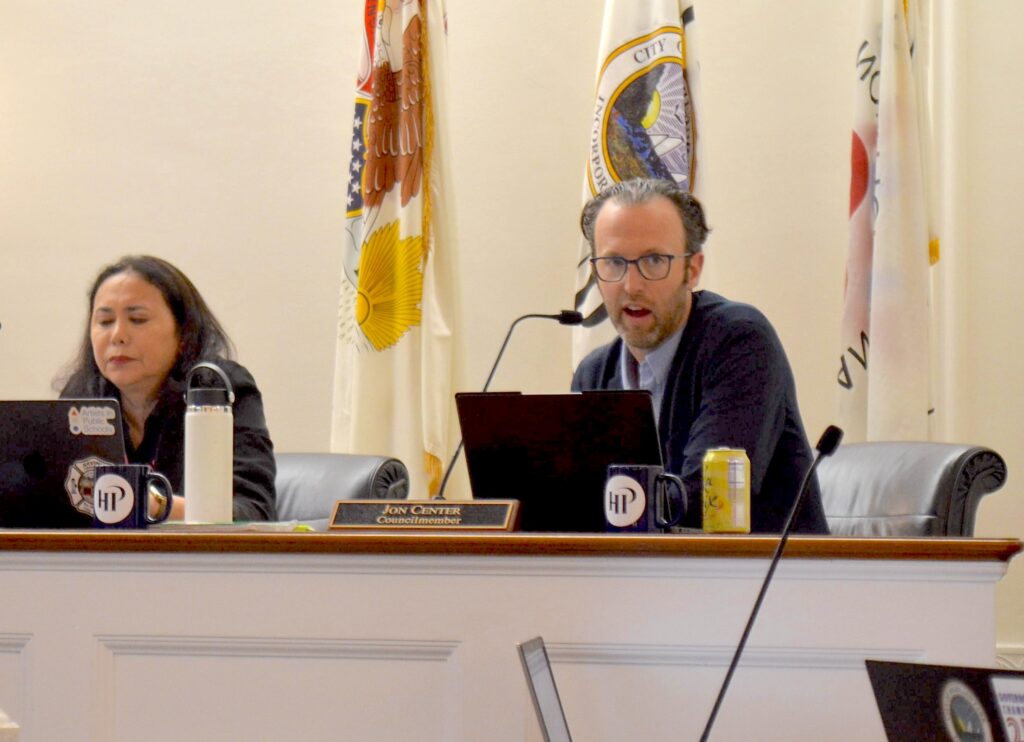
The 2025 property tax bill for 147 Central reportedly was $81,000 and is projected to be $100,000 within the next five years, said Center, who added that not many buyers can absorb that cost.
The proposal, therefore, is one that works, said Center, within the constraints of a unique piece of property. It allows for a “realistic” market transaction, he said, for a new buyer to purchase the home with the “care” and “attention” it needs and deserves without an unsustainable financial burden.
Councilmember Yumi Ross sympathized with the residents in opposition to the plan.
To Ross, 147 Central Ave. is a “very unique property” and, as it is called HIghland Park’s first home, comparing it to other small properties, as Rome did, feels inappropriate.
She argued that the property tax per acre is low, and the reason the house is “beautiful” and “pristine” is because it was protected by landmarking for decades by multiple past preservationists, and it is greatly enjoyed by so many residents, she said.
“The buyer can always find another beautiful home, but the City’s subdivision is irreversible,” Ross said.
Councilmember Annette Lidawer said that people on both sides “all care for preservation.”
Lidawer wants the home and land to be protected, while being practical, and Councilmembers Barisa Bruckman, Andres Tapia and Blumberg agreed with her.
The Record is a nonprofit, nonpartisan community newsroom that relies on reader support to fuel its independent local journalism.
Become a member of The Record to fund responsible news coverage for your community.
Already a member? You can make a tax-deductible donation at any time.

Alessia Girardin
Alessia Girardin is a community reporter focused on stories out of Highland Park and Highwood. A Chicago native and Regina Dominican alumna, she has published work for local and New York City publications and earned a master's degree from New York University.
The Record is a nonprofit, community news site from former editors of 22nd Century Media
Our daily coverage of your government, schools, businesses and neighbors is not possible without your support.
Latest

The Record: Shortcut
Related Stories