Skokie prepares to regulate short-term rentals, Airbnb units in the village
It’s set to become much more difficult for Skokie residents to list their spare rooms or empty houses on short-term rental websites, such as Airbnb.
The Skokie Village Board will vote on an ordinance Monday that, if approved, will introduce a slew of new regulations to the local short-term rental market. Among them, property owners would have to become licensed, pay a yearly fee and board guests for a minimum of five days.
The law would also ban any new investor-owned short-term rentals from operating in Skokie.
Village trustees indicated during their last meeting that they were in favor of the ordinance, but requested corporation counsel draft the regulations into a pilot program that will expire in August 2027. At that point, the board would likely make a version of the ordinance permanent.
Johanna Nyden, Skokie’s community development director, said on Jan. 20 that the existing short-term rental market has worked fine for some residents, but complaints indicating the system needs to be regulated have “bubbled up over the past year and a half.”
The new law will aim to improve the safety of short-term-rental units in Skokie by requiring they all contain things like smoke detectors and proper egress, Nyden said.
The law also intends to preserve “neighborhood character” in Skokie by limiting the number of short-term rentals on a block, requiring clear instructions for guests on where to enter units, and creating fines to hold owners accountable if they run afoul of the laws, Nyden said.
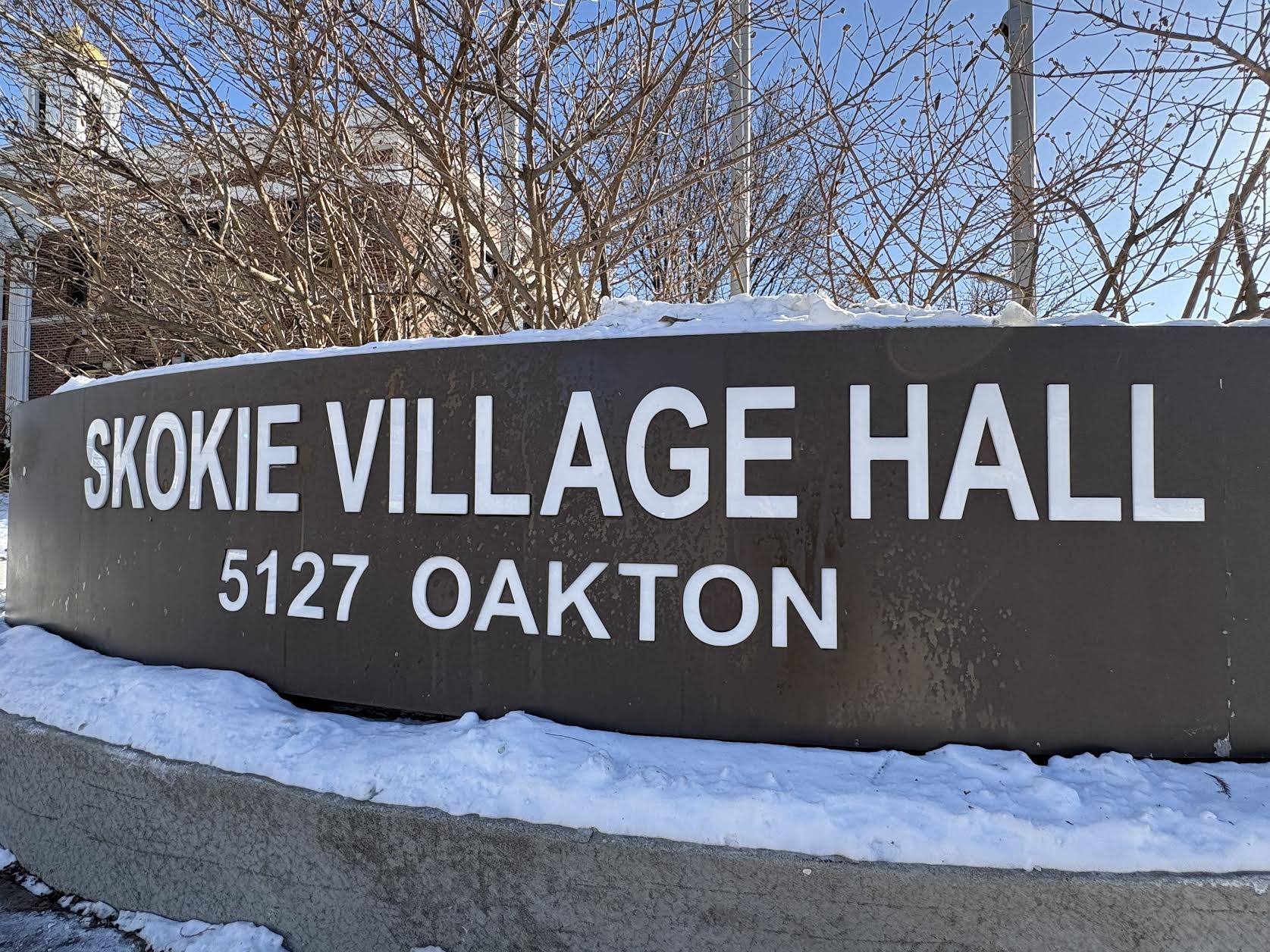
The Village Board will meet at 7:30 p.m. on Feb. 2 at Skokie Village Hall, 5127 Oakton St., to discuss and likely vote on the ordinance.
License and registration
If the ordinance is approved, operators of short-term rentals will have to demonstrate to the village that the dwelling they are renting out is their own permanent and legal primary residence, or located on the same parcel of land as their primary residence. Short-term rentals units cannot be in accessory structures.
Existing investor-owned short-term rentals will continue to be allowed, but just like owner-occupied short-term rentals, they will have to apply for a license with the village. Owners must also register the dwellings they plan to rent out within 120 days of the ordinance going into effect.
The owner of an short-term rental will have to pay the village $1,200 for a license and $400 to renew it each year. Similar to the Skokie’s Landlord Training program, short-term rental owners will have to complete a village-sponsored training program every 12 months to obtain and maintain their license.
The training program will address maintenance expectations, like occupancy limits, and require operators to communicate village codes to guests concerning things like garbage pickup, street parking and noise.
Registration for owner-occupied short-term rentals will cost $2,450 during the initial 12-month “probationary period” and $1,800 each year after. Initial registration for investor-owned short-term rentals will be $3,600 during that probationary period and then $3,000 each year after.
During the probationary period, short-term rental operators may only rent out 12 bookings. Afterward, they may rent out 18 bookings per calendar year.
Going forward, the village will only permit one short-term rental unit per street block; though, if there are multiple short-term rentals currently operating on one block, the village will allow it as long as all registrations are in good standing.
Short-term rental owners will have to provide a yearly notice to neighbors within 250 feet that they are operating an short-term-rental unit and share the address and contact information.
Found liable for violations, short-term rentals operators may pay a maximum daily fine of $1,500.
‘All hours of the day’
Answering questions from the board on Jan. 20, Nyden said the Village has primarily received complaints about short-term rentals that are investor-owned or operating out of homes that used to be family-owned but no longer have a known owner.
Residents have raised concerns about guests parking, trash and guests “going to the wrong properties at all hours of the day and night,” Mayor Ann Tennes said.
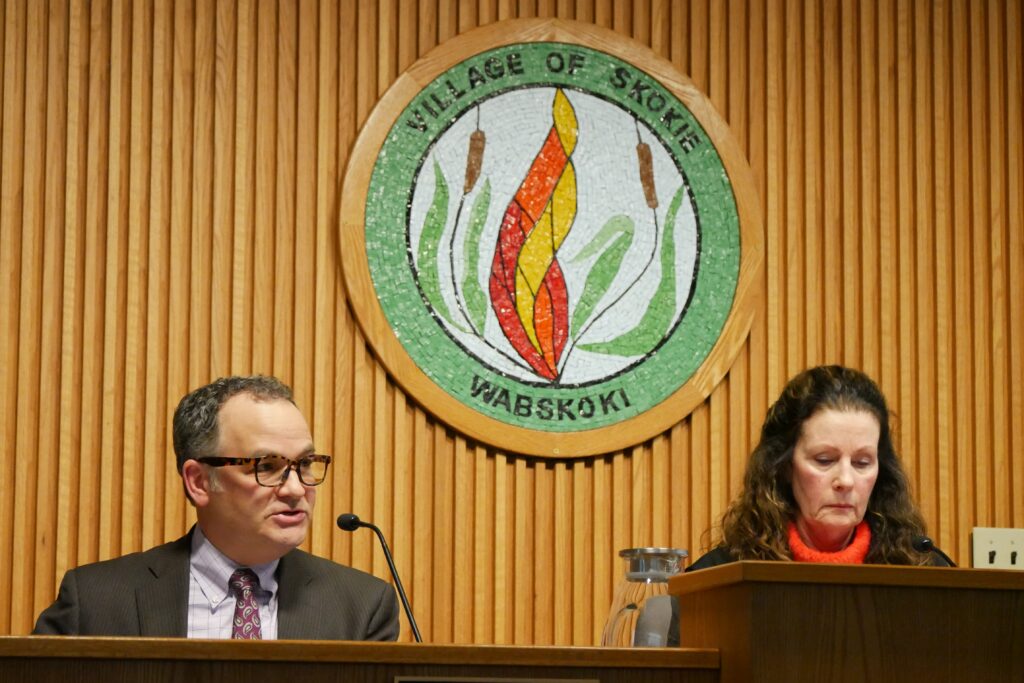
Trustee Jim Iverson asked how the board arrived at the “high fees,” and Nyden said the program will be “labor intensive” around building inspections, software and legal requirements. Tennes added that the law is modeled after existing liquor license laws.
Trustees indicated they’re largely supportive of the new law.
Trustee Gail Schechter emphasized the need to protect the village’s affordable housing stock and prevent residences from turning into commercial entities.
Lissa Levy said the board needs to take action quickly because Skokie has “some very distressed community members” who need help.
A couple of Skokie residents who spoke described being awakened repeatedly by deliveries to the Airbnb unit across their street. One resident showed trustees a video they took of a 50-person wedding taking place outside a short-term rental on their residential block.
Another resident, though, questioned whether short-term-rental operators could afford to continue running short-term rentals given the village fees.
Trustee Alison Pure Slovin requested that the law’s minimum booking length for short-term-rental guests be changed to five days instead of the previously drafted minimum of seven days.
Keith Robinson also requested the law start as a temporary pilot program. The board ultimately agreed to give the law an 18-month sunset and check in on how the regulations are working at six month, 12-month and 18-month periods.
The board requested corporation counsel redraft the law with those changes for a vote on Monday, Feb. 2.
The Record is a nonprofit, nonpartisan community newsroom that relies on reader support to fuel its independent local journalism.
Become a member of The Record to fund responsible news coverage for your community.
Already a member? You can make a tax-deductible donation at any time.

Samuel Lisec
Samuel Lisec is a Chicago native and Knox College alumnus with years of experience reporting on community and criminal justice issues in Illinois. Passionate about in-depth local journalism that serves its readers, he has been recognized for his investigative work by the state press association.
The Record is a nonprofit, community news site from former editors of 22nd Century Media
Our daily coverage of your government, schools, businesses and neighbors is not possible without your support.
Latest

The Record: Shortcut
Related Stories